
Yoga teacher training (YTT) programs typically require 200 hours of study in order to teach yoga professionally. While some schools spread these hours over 2-3 years, an increasing number are offering 4-week intensive yoga teacher training courses. But is it really possible to become a certified yoga teacher so quickly?
As a yoga school that provides intensive yoga teacher training courses, we often hear doubts about the depth and quality of our 4-week program. In fact, most of our students begin the course divided on whether it's even achievable. By the end, however, they all agree the immersive training was not only possible, but better.
We firmly believe this intensive approach is more effective, accelerating growth and retention. Still, we understand the hesitation many feel about completing a YTT in such a short amount of time and jumping into teaching professionally straight after. To put your mind at ease, we’ll address common concerns about 1 month teacher trainings and reveal why they just work.
What Is An Intensive Yoga Teacher Training Course?
An intensive yoga teacher training is an accelerated yoga program that packs all the theory and physical aspects of a normal 200-Hour YTT into a shorter period of time, usually 4 weeks.
These 4 weeks can be described as a fully immersive yoga bootcamp designed to challenge and shape you into a confident, well-rounded yoga teacher. The fast pace and full days of yoga practice, teaching methods, anatomy study, and philosophy classes make for a concentrated yet transformative experience. So while the condensed schedule is demanding, a 200-hour intensive yoga teacher training creates tremendous growth and can even change your life.
Find out: What’s the Difference between a 50- 100- and 200-Hour Yoga Teacher Certification
Intensive Yoga Teacher Trainings: Common Concerns & Why It’s Possible
Can You Learn Yoga Comprehensively in 4 Weeks?
Many people will say that yoga is a life-long journey that cannot be condensed into an intensive 4-week course. This is a very valid point, and we agree with it wholeheartedly.
If we refer to yoga as the complete science including the vast underlying philosophy and the expansive practices like the yamas, niyamas, pranayama, dharana, and dhyana, then yes; you cannot learn all there is to know about yoga in an intensive 4-week program.
However, the term ‘yoga’ is, most of the time, loosely used to describe the ‘practice of yoga asanas.’ When we talk about becoming a qualified and skilled yoga teacher, what is actually meant is becoming a qualified and skilled yoga asana teacher.
This distinction is an important one to keep in mind. It doesn’t mean that, as a yoga asana teacher, you will merely teach the physical aspects as if yoga is just another form of exercise. If you feel ready for it, you can convey some of the underlying concepts of yoga during your classes (if your students are ready for it, too). The subtleties of the practice only reveal themselves through teaching. Therefore, the biggest process in your development as a yoga (asana) teacher will take place once you start to teach!
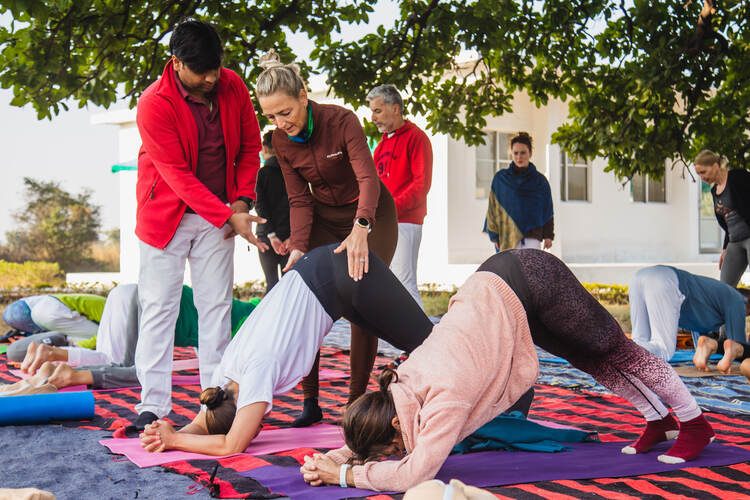
During Arhanta’s residential yoga teacher training courses, our students practice teaching with each other from day one. By the end of the four weeks, they feel prepared and confident to start teaching yoga classes. For this reason, we encourage all aspiring teachers not to delay this vital stage of the training; start with friends or even offer free classes first to gain some more confidence. Every day you don’t teach, you lose these hard-learned skills.
Check out: Yoga Teacher Training Survival Guide for Students
Does 1 Month Prepare You as Well as Longer Yoga Teacher Training Courses?
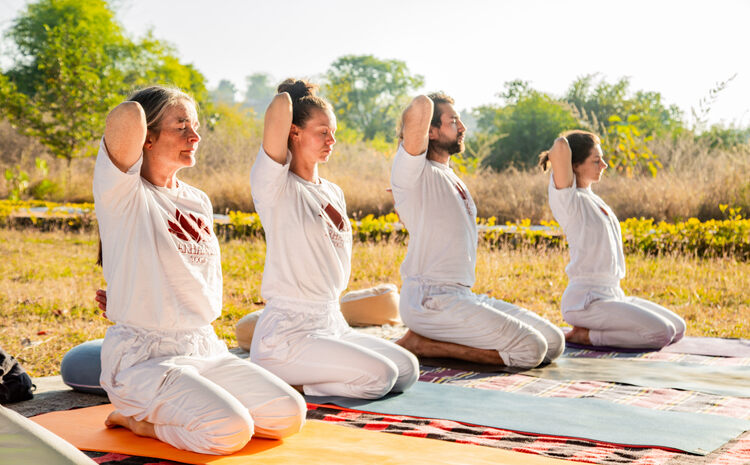
In our experience, yes. We used to offer yoga teacher training courses spread out over longer periods. Initially, we did this in India before opening the Arhanta Yoga Netherlands Ashram. We saw such a big difference in results between the immersive, intensive groups that we were training in our ashram in India, and the long-term study groups in the Netherlands. The groups in India performed 20-25% better during the exams and described the experience as far more eye-opening and life-changing than the groups in the Netherlands.
We believe this is due to the immersive and distraction-free environment created during the residential 200-hour intensive yoga teacher training courses. The students that were attending the long-term yoga course had to still manage their daily life while attending the course. We spent far more time reviewing and repeating with those groups than with the residential groups. And obviously, the time we spent on repeating and re-hashing old information couldn’t be spent on new or more in-depth information and practice.
Therefore we do believe that in many chases, an intensive yoga teacher training can be more effective. However, we acknowledge that this is not the case for all practitioners.
Read more: What to Expect at an Ashram
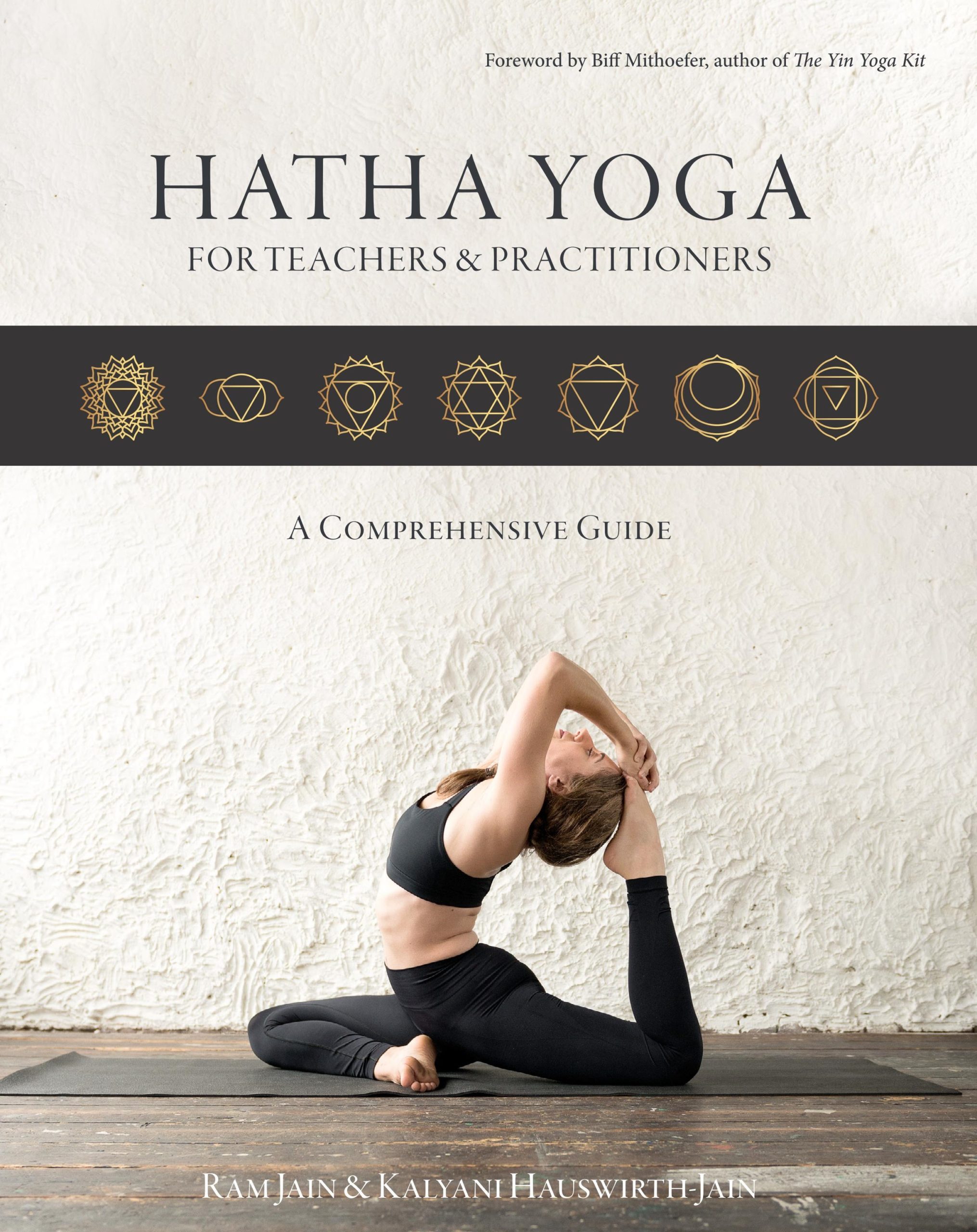
Get a free copy of our Amazon bestselling book directly into your inbox!
Learn how to practice, modify and sequence 250+ yoga postures according to ancient Hatha Yoga principles.

Can You Teach Yoga Safely After a 4-Week Course?
A lot of people believe that it is simply not possible to acquire the necessary skills to teach yoga safely and with confidence in four weeks. And again, in some instances, it’s not. It depends on the system, efficiency, and discipline of the training course.
Students who enroll in our intensive yoga teacher trainings practice teaching yoga to one another from day one. We have a daily 3-hour slot for practicing ‘how to teach', in which we keep challenging them with new partners, new situations, and more relevant information. We focus a lot of time, energy, and effort on teaching our students the relevant skills that they will need as yoga teachers. As a result of this, our students feel ready to start teaching, and many of them have gone out to build a wonderful career for themselves.
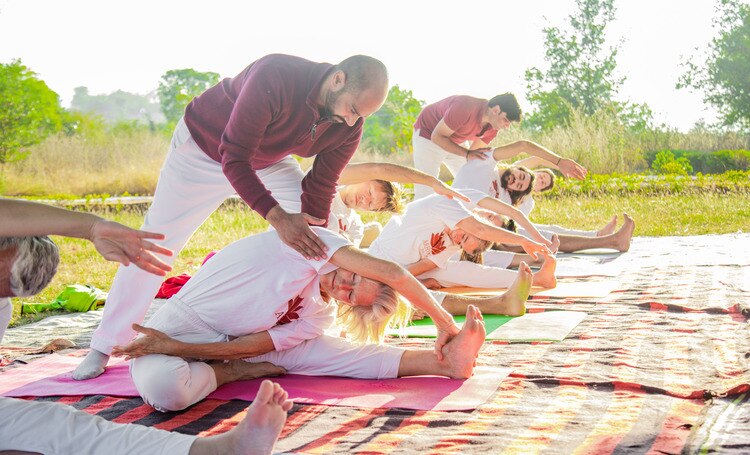
If you can learn a skill in a short period of time, your ability will greatly depend on what you do in this time, not how long you take to do it. Here is a short story from my life that illustrates this point quite well.
When I moved to the Netherlands, I decided to get a European driver's license despite having driven in India for years. My first instructor was pleasant but unstructured; we had easy lessons at low-traffic times and drove the same routes. After failing the exam twice, I realized his students had the lowest pass rate.
I found the top-rated instructor and booked a lesson, even though his fees were 30% higher. This teacher was all business—no small talk, just focused skills training in high-stress situations. The lessons were intense but effective. After just 5 classes, I passed the exam easily.
This experience shaped my vision of focused, practice-based teaching. At our intensive yoga teacher training courses, we apply this hands-on approach. The concentrated format accelerates learning and transforms students into qualified teachers. Just like my driving lessons, intensive immersion delivers rapid results.
Read: How to Become a Yoga Instructor: Cost, Certification and Career GuideAre You Spiritually Evolved Enough After an Intensive Yoga Teacher Training Course?
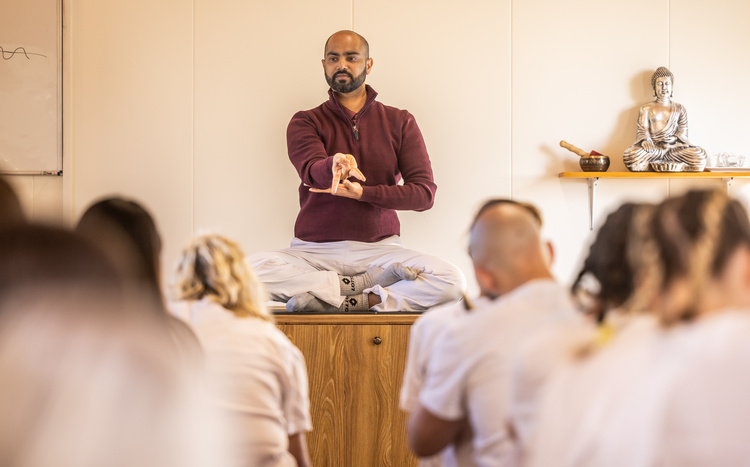
I often hear people say that a yoga teacher must be spiritually evolved, and to reach such a level takes years. This, personally, is a statement I have great difficulty with. It is a very common argument that teachers offering long-term YTTs try to make.
The point this statement is trying to make is: “Only after reaching a certain spiritual level, after undergoing a certain growth, should you be allowed to teach yoga. As a school/teacher/trainer, we will assess your stage at the time of entry to the course, and we will assess your development and level towards the end of the training.” But, who can really claim to assess someone else’s spiritual stage?
Growing up in India, I have seen the blind devotion of common people towards priests, saints, and gurus. Religion and spirituality are the pillars of Indian culture, and these ‘spiritual’ leaders hold great amounts of power over their devotees. Just as much devotion, I have seen abuse of this power.
A popular example is Baba who amassed millions of followers, built an immense temple and ashram for himself, and ‘earned’ probably tens of millions in donations. He used this money to make Bollywood movies about his greatness. Despite all this, he was later indicted for murder, but the charges were dropped. And in 2017, he was sentenced to a 20 year prison sentence for multiple rapes and murders. The most shocking part of this story is that he still has millions of disciples.
This is an extreme example, of course. Unfortunately, I have seen more abuse of ‘spiritual’ power than good-use. Therefore, it has become my deep-seated belief that a person claiming himself to be a guru or saint, most likely isn’t. We have a popular saying in India: 'A sadhu (monk) in the city is actually a business man’.
I have also become very careful with the idea that I or anyone else can claim himself/herself spiritually more evolved than someone else, and therefore, able to assess their spiritual growth.
The approach in our intensive yoga teacher training is simple. Students get a number 10 on their forehead. A 10 out of 10! Not literally, but that’s how we look at them. We believe that everyone holds greatness within, and everyone can become what they want if they are ready to work hard for it! Everyone can grow and overcome obstacles, and our role as a teacher is to help them on their path. Our role isn’t, and can’t be, to judge them and evaluate them on their spiritual growth.
Therefore yes, being a yoga teacher comes with responsibility and a desire to serve others. But no, you do not need years to get there. You’ll receive your greatest lessons when you train others, and it’ll be your students who teach you the most.
Can You Master All the Asanas in 4 Weeks?
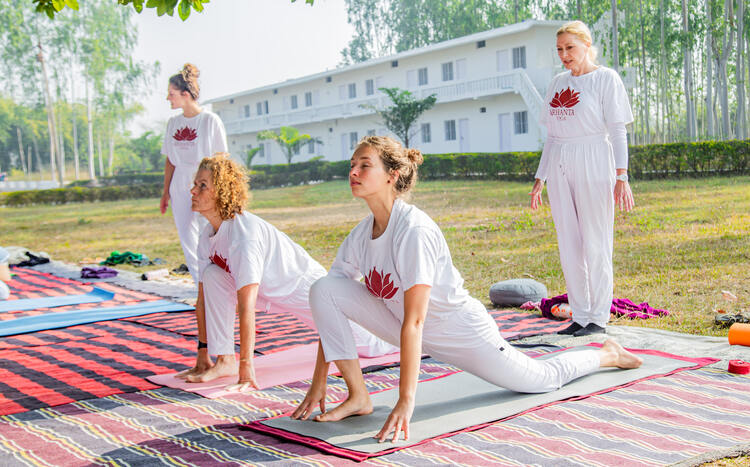
David Swenson, one of the most popular Ashtanga Vinyasa teachers, has inspired tens of thousands of people to practice yoga. At 62, his practice is not only remarkable but also reflective of his extensive knowledge and mastery in this style. His commitment, skill, and passion set him apart as a truly inspirational figure, one I've had the privilege of learning from. Despite his global fame and respect within the yoga world, David remains remarkably humble and down-to-earth.
As the author of the international bestselling book 'Ashtanga Yoga: The Practice Manual', David was the first Ashtanga teacher to make the physically challenging practice of the Primary Series accessible to all different-abled yoga practitioners by introducing inclusive variations and modifications.
David often asks whether perfecting every yoga pose is really the heart of yoga practice. He (and I agree with him) thinks it's not. Getting too caught up in just nailing every asana can turn yoga into a self-centered pursuit, where teaching it becomes more about showing off personal skills. David's view is that practicing and teaching asanas should be more about personal growth, helping us become better people for ourselves and for those around us.
Many hesitate to teach yoga, fearing their own practice isn't advanced enough. But it's important to remember that everyone has their limitations—some might be flexible but not strong, others strong but not flexible, and some may struggle with balance and focus. Every yoga teacher faces challenges with certain poses.
Being a skilled yoga practitioner doesn't automatically make you a great teacher. The real skill lies in effectively communicating and sharing your knowledge with students. Remember, the most inspiring teachers are those who genuinely care about their students, not those who just show off their abilities. Passion for teaching and genuine concern for students truly inspires.
Final Thought
In the end, it's crucial to consider your own circumstances. While we're strong advocates for intensive yoga teacher training courses, we encourage you to find what works best for you. I hope my insights have been enlightening. Most importantly, I urge you to pursue teaching yoga if it's truly what your heart desires. Personally, my growth has been profoundly shaped by my passion for and commitment to teaching.
Remember the wise words of Yogi Bhajan: "If you want to learn something, read about it – If you want to understand something, write about it – If you want to master something, teach it."
Get a free copy of our Amazon bestselling book directly into your inbox!
Learn how to practice, modify and sequence 250+ yoga postures according to ancient Hatha Yoga principles.