
200-Hour Yoga Teacher Training with Expert Teachers From India
Learn, Connect, and Discover Yourself with the help of Yoga in 26 Days
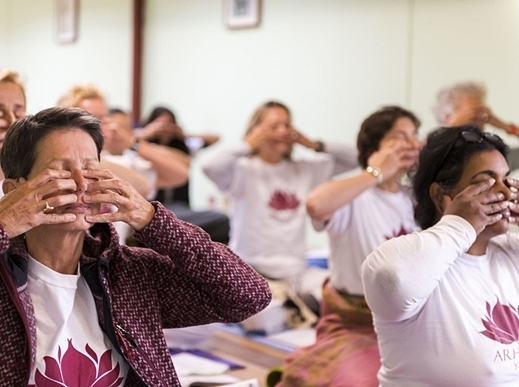
200 Hour Yoga Teacher Training
Our 200-hour yoga teacher training in the Netherlands, Europe, is a life-changing experience that gives you in-depth knowledge of Classical Hatha Yoga. This comprehensive course is ideal for you if you want to bring depth to your yoga practice and learn how to teach others in a structured and professional way.
This 200-hour residential training is much more than yoga teacher training. It is a unique opportunity for self-discovery and personal development.
Because you stay in an ashram for 26 days, you get the chance to experience an authentic yogic lifestyle. You will feel reborn and self-confident at the end of this unique experience.
Deep & Profound
Are you seeking a deep, more profound yoga teaching beyond surface-level yoga based only on physical postures?
5 Generations Yoga Heritage
Would you like to learn yoga from authentic Indian teachers with 5 generations of knowledge and heritage?
Professional Training
Do you want professional yoga teacher training for deepened knowledge and skills to teach others with confidence?



what Students are saying

Eve
USA
"My yoga teacher told me Arhanta Yoga teacher training is a special gift I would give to myself. Today I can confirm that. The teachers are fantastic, very knowledgeable, and professional. It is an amazing experience. Don't miss this chance."

Kirsi
Finland
"This 200-hour yoga training in has taught me a lot about yoga and how to teach yoga. The program is full & gives the right amount of information you need to become a teacher. I developed a lot of qualities in this course. I’m very grateful for that."

Rita
Germany
"I am so happy with the quality and depth of this yoga instructor certification program. It is well structured, and every little detail is covered. The course surpassed my expectations, it gave me more than I had hoped for. I highly recommend this course."
Learn From a Unique Indian Yoga School with 5 Generations of Heritage
Namaste,
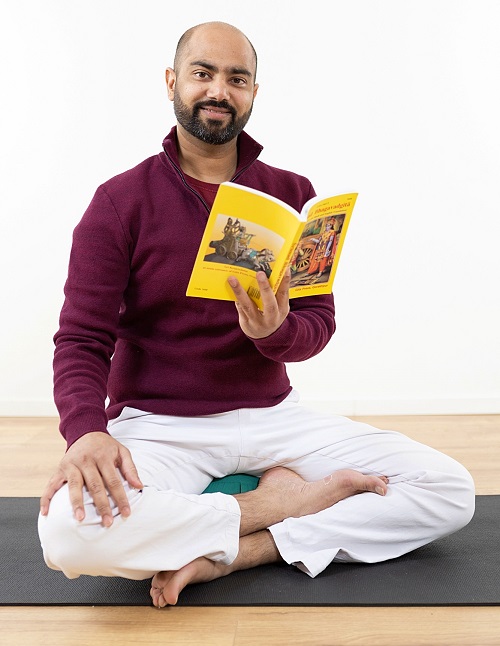
I am Ram Jain, founder of Arhanta Yoga Ashrams and the lead teacher of our 200-hour yoga teacher training in the Netherlands, Europe.

- I was born into a Jain family in India with rich traditions, where yoga has been a way of life for five generations.
- My formal yoga education started when I was eight years old at a Vedic School.
- I have been on the path of yoga for the last 34 years and teaching yoga for over 23 years.
- Since 2009, over 18000 yoga teachers have graduated from our yoga ashrams in India, the Netherlands, and our online academy.
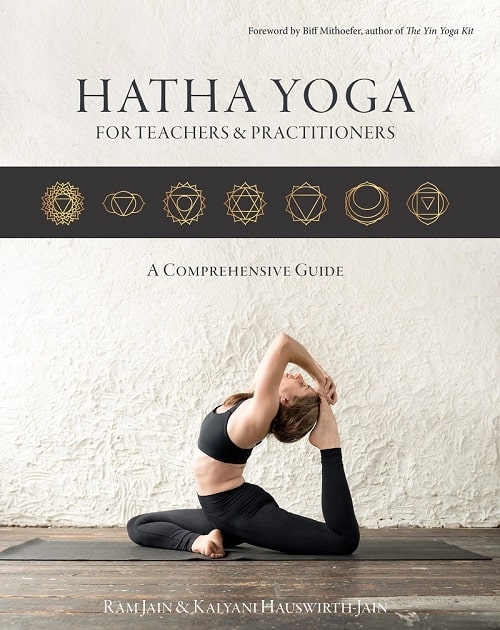
- I am the author of an Amazon best seller, "Hatha Yoga for Teachers & Practitioners" (published in 4 languages).
Amazon Best Seller
by Ram Jain and Kalyani Hauswirth-Jain | 13 November 2017
267
Ram and Kalyani have compiled a wonderful and comprehensive presentation honoring ancient principles of classical yoga, while also speaking in a language appropriate to the present day.
~ David Swenson, author of Ashtanga Yoga—The Practice Manual
Who Is This Course For
See below if this course is suitable for you or not
Yes
No
Our Yoga Ashrams
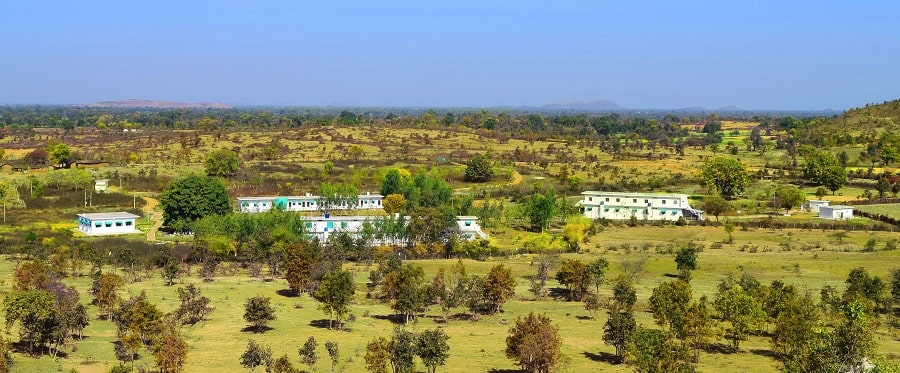
Arhanta Yoga Ashram India
The Arhanta Yoga teacher training in India occurs at the Arhanta Yoga Ashram, spread over 17 acres of land safely and peacefully near the ancient city of Khajuraho in Central India. The Khajuraho Airport is 14 km from the ashram, and the train station is 12 km away. Complementary pickup and drop off at the Khajuraho Airport and train station are available.
Arhanta Yoga Ashram The Netherlands
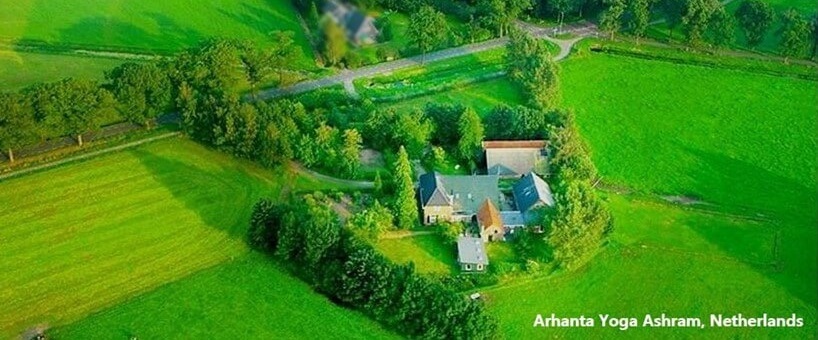
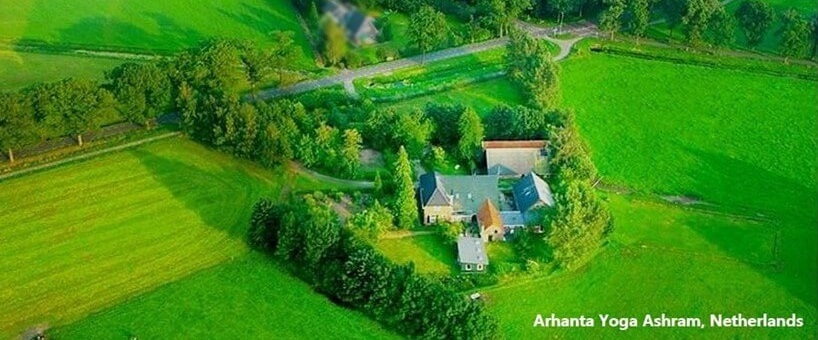
The Arhanta Yoga teacher training in Europe occurs at the Arhanta Yoga Ashram in the Netherlands. The ashram spreads over four acres of lush green land near the city Arnhem in the beautiful province of Gelderland. The yoga ashram is well-connected to Amsterdam (Schiphol) and other Dutch Airports through public transport.
What You will Learn
Here is an overview of what you will learn in this 200-hour Yoga instructor certification in Europe
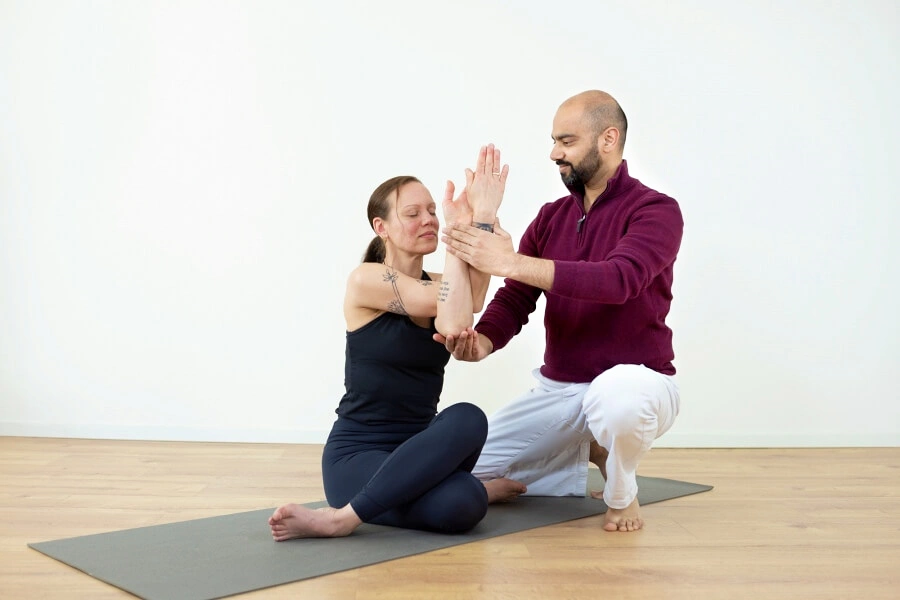
Over 170 Hatha Yoga Asanas
You will gain a deep understanding of the alignments, instructions, benefits, contraindications, physiology, and variations of over 170 Hatha Yoga poses. You will learn how to practice and teach these poses safely and effectively for different body types.
Ancient Yoga Philosophy
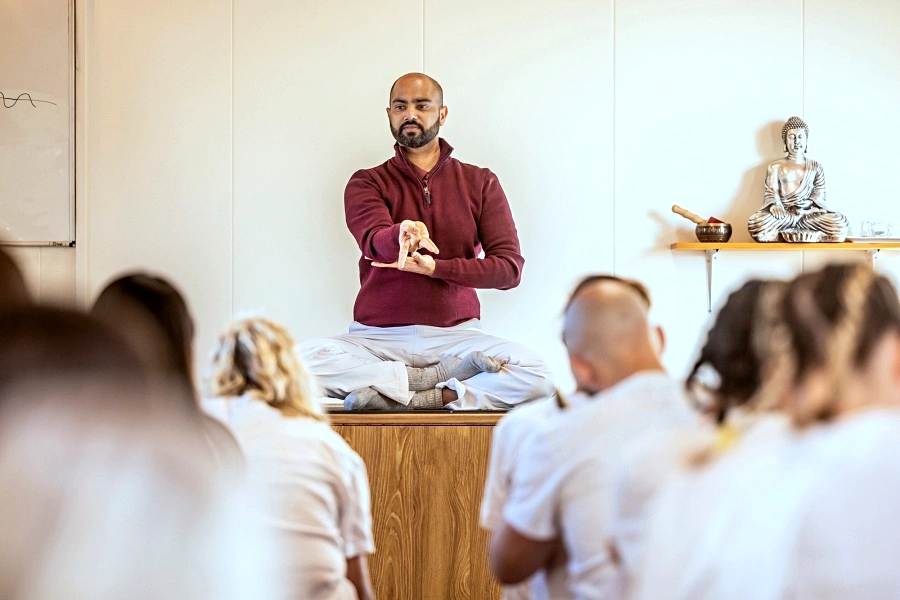
You will understand the ancient philosophy of yoga in an analytical and non-sectarian way. You will learn essential concepts like prana, chakras, mind, karma, etc. Using stories & humor, Ram simplifies these complex concepts.
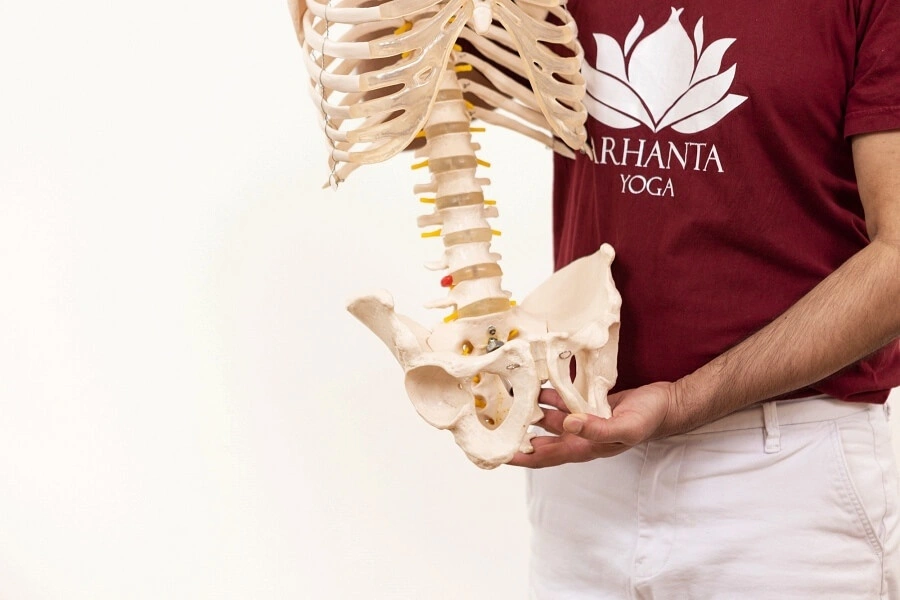
Anatomy and Physiology
You will learn how yoga poses affect our physical and astral bodies. You will understand how the systematized practice of yoga asanas can help to improve our health, flexibility, and overall functioning of the organs. You will study the essential principles of human anatomy and physiology to avoid injuries in your own practice and teaching classes.
Teaching Techniques & Sequencing
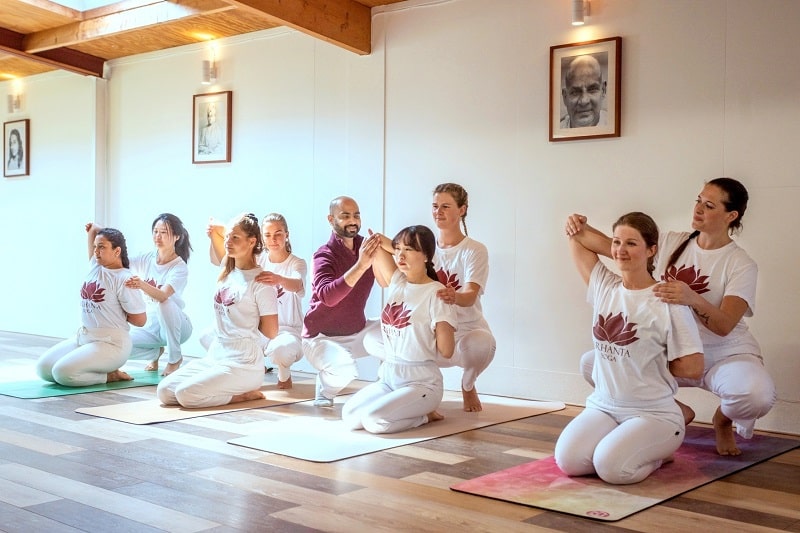
You will learn expert teaching techniques, the art of instruction, correction, and modification. A daily 3-hour teaching practice will help you develop the skills and confidence to teach others. You will understand how and when to assist a student. You will also study the principles of sequencing.
What You Will Gain
You will also learn techniques to control your mind, heal your body, and enjoy life fully. All while becoming accredited to teach others to do the same.
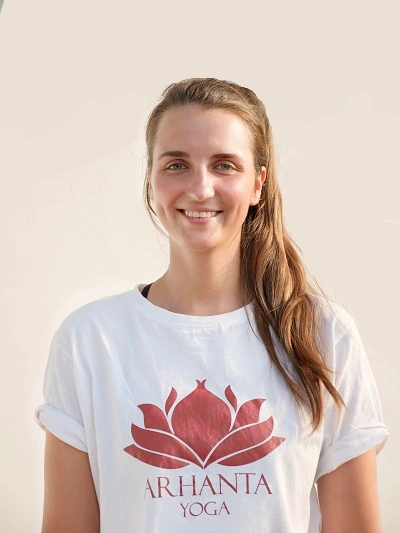
"I came here to Arhanta ashram with an open mind and no idea what to expect. It was four weeks of intensive emotional strengthening and a transformational experience within myself and the group, guided by our teachers. I am grateful and happy that I could learn from such excellent teachers in this wonderful ashram. Thanks to the teachers and their generous advice, I found my confidence and purpose, and now I look forward to teaching my yoga classes."
Jacqueline
The Netherlands
Photo Gallery
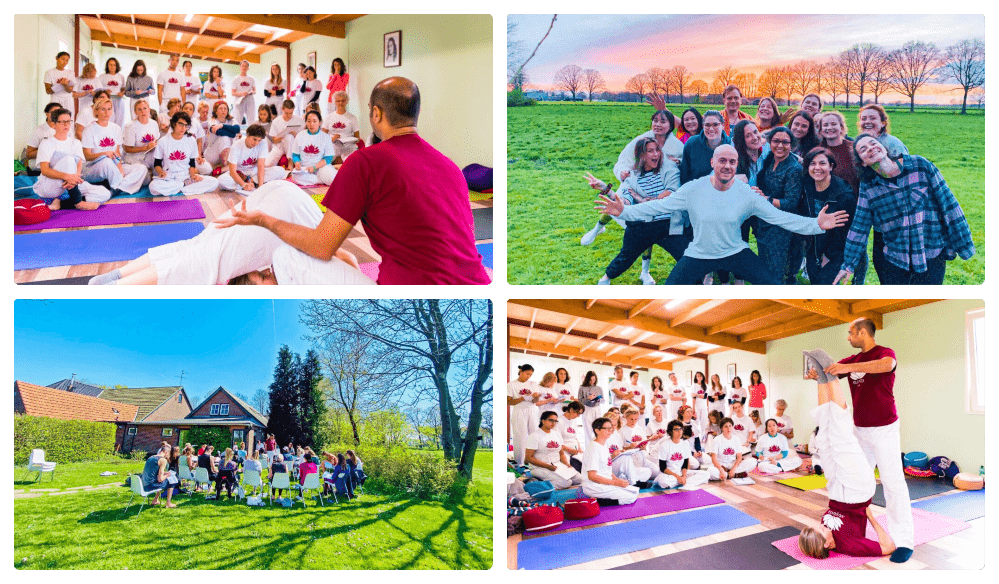
See the beautiful memories of our past 200-hour yoga teacher training courses at our Netherlands Yoga Ashram. Click on the button to view our photo gallery and get an idea of what this transformational experience holds in store for you.
Ready To Dive Deeper?
If you want to learn something, read about it. If you want to understand something, write about it. If you want to master something, teach it.
~Yogi Bhajan
Our 200-hour Yoga teacher training in The Netherlands is designed and developed to give you efficient tools and structure to build and grow in your yoga practice. It will help you develop confidence in your own practice and enable you to teach others. Through these authentic teachings, you will learn how to feel grounded and connect with yourself at all times. The course will give you routines and habits to live in abundant peace and well-being.
Our Core Values
Our Philosophy - Authenticity
At Arhanta, we bring you a rich heritage of five generations. You will learn from a teacher who has studied intense yoga from childhood at traditional Indian Vedic schools. We believe that true yoga is applied 20% on the mat and 80% off the mat in your everyday life.
Our Knowledge - Excellence
We are traditional, but our traditions do not restrict us. We regularly research and apply modern science-based anatomy, physiology, and new developments in the fitness and exercise field. This means you are guaranteed proven and accurate knowledge of the best standard.
Our Approach - Empowering
In reality, the concept of “one alignment for all” can turn up empty results. We believe everyone is unique in their body, mind, and capabilities. Therefore, we teach you how to understand your students individually and provide personalized alignments and adjustments.
Our Commitment - Integrity
We are devoted to the success of our students & community. We provide lifelong support, not only during the course but also after. Our highest priority is helping you reach your goals.
Our Professionalism - High Standards
We are passionately committed in doing the best we can for you. At Arhanta, you can be assured of the highest professional standard in training, communication & support.
Why Choose Arhanta
Living Yoga Since 5 Generations
At Arhanta you will learn directly from experienced yoga teachers from India with long heritage of 5 generations. You will receive accurate and authentic teachings learned directly from the study of the original scriptures in Sanskrit.
Established Yoga Ashrams
Arhanta Yoga is a well-established school providing yoga education in a traditional system with a modern approach since 2009. We have two reputed yoga ashrams in India & The Netherlands that serve over 1000 yoga students yearly.
18000+ Yoga Teachers Certified
Arhanta provides internationally accredited yoga teacher certification training in India & The Netherlands. We have certified over 18000 yoga teachers from 94 countries. Our extensive teacher training experience has benefited us in building one of the best programs available in the field.
Student-Centric Training
At Arhanta, we keep a 1:8 teacher-student ratio to ensure that you receive personal guidance and proper attention throughout the training.

I have the highest regard for Arhanta, they stand by their values. I am so glad I came across their website. Every teacher has a great teaching style. Ram has very deep knowledge, which he explains efficiently with humor & tales. Omkar helped me to go deep with my yoga asanas and teaching skills. I learned more with this course in one month than in the two years long teacher training I completed earlier. I highly recommend Arhanta!
Arjan

Ram Jain, MSc. Yoga
(ERYT-500 & YACEP with 40,000+ hours of teaching experience)

Meet The Lead Teacher,
Benefit from 5 Generations of Yoga Heritage
Born into a family where yoga has been the way of life for five generations, I was trained in the tradition of Swami Sivananda. At the Vedic school, I received a solid foundation in scriptures, including Vedas, Upanishads, Bhagavad Gita, and Yoga Sutras (to name a few).
We are traditional but not sectarian. My passion for knowledge led me to study modern sciences like anatomy, physiology, and western philosophy with pioneer teachers of new innovations.
We believe a teacher's role is to help the students to reach their goals. We have learned that every student is unique in their physical capabilities, personal goals, and motivations. Therefore, we focus on individual guidance and understanding our students.
At Arhanta, we don't just teach yoga. We teach you how to reach your potential, deepen your knowledge, build your confidence, and take charge of your life.
What’s inside the course
Our yoga teacher training in Europe is an intensive 26-day residential course with a detailed curriculum. The course curriculum has been developed and refined since 2009. The four weeks of yoga training cover detailed information on 170 asanas, clear instruction and correction techniques, breathing exercises, asana practice, Vedic philosophy, yogic lifestyle, and much more.
Yoga Teacher Training Location
Our 200-hour Yoga teacher training in Europe occurs at the Arhanta Yoga ashram in the Netherlands. The ashram is situated outside the small village of Varsseveld near Arnhem in the east of the Netherlands. The ashram is very well-connected to the Dutch public transportation network. The Dutch international airport in Amsterdam (Schiphol) is only two hours away. The ashram is in a peaceful location, surrounded by green fields and woodlands.
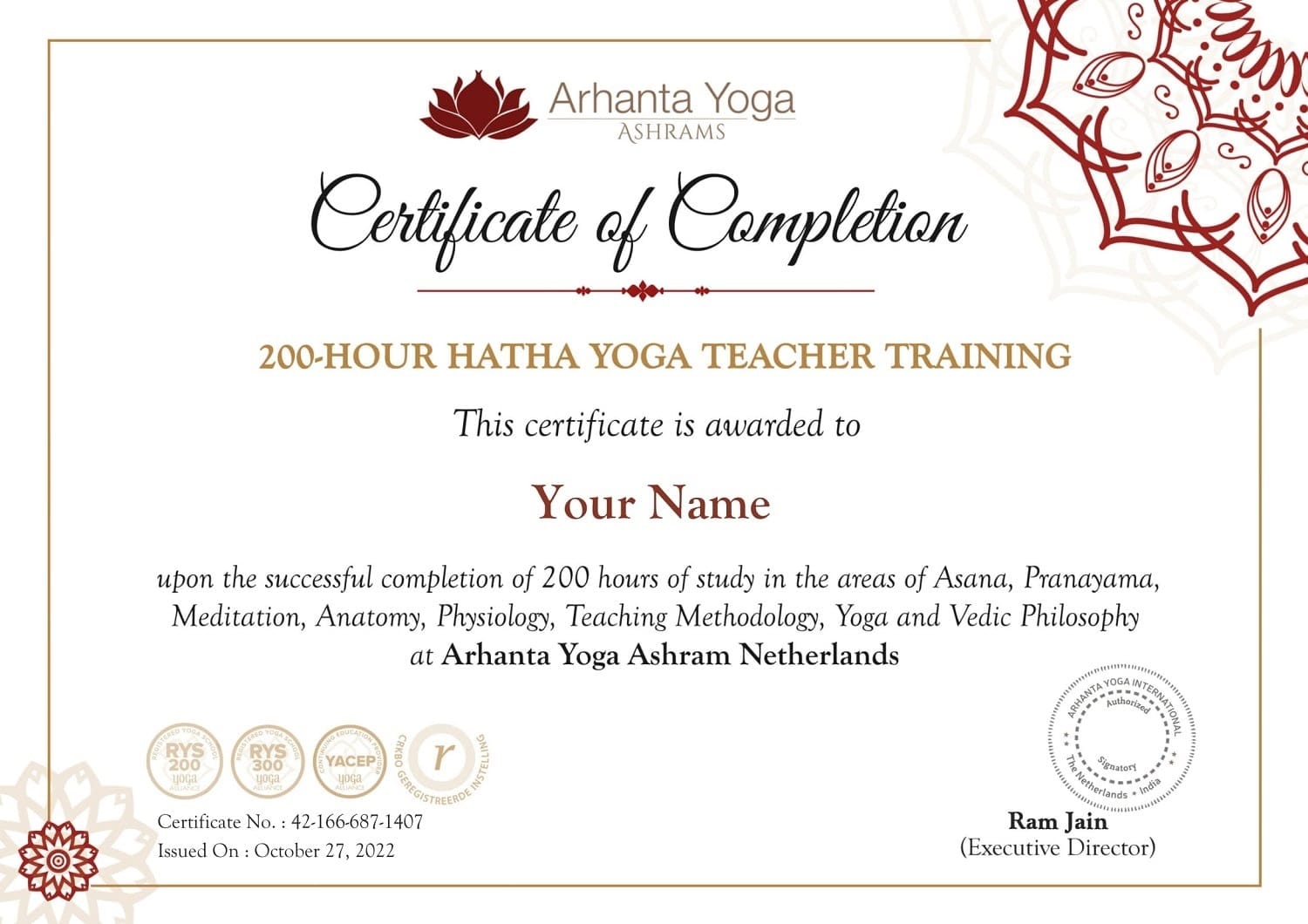
Worldwide accredited certification
With our certificate, you can teach Yoga worldwide. Our 200-hour Yoga teacher training courses in Europe are fully accredited by Yoga Alliance, International Yoga Association, International Yoga Federation, and The CRKBO (The Netherlands). After completion, you can register yourselves as RYT 200 with Yoga Alliance.
Course Dates & Fees
Upcoming Course Dates
Our Hatha Yoga Teacher Training courses in the Netherlands occur from March to September yearly. This period is ideal for intensive training as the weather is mild and suitable.
200-hour Hatha Yoga
| Date | Seats left | Location |
|---|---|---|
| 2024 | ||
| 1 Apr - 26 Apr | Full | NL |
| 17 Jun - 12 Jul | 5 Seats left | NL |
| 12 Aug - 6 Sep | Apply Now | NL |
| 2025 | ||
| 31 Mar - 25 Apr | Apply Now | NL |
| 5 May - 30 May | Apply Now | NL |
| 25 Aug - 19 Sep | Apply Now | NL |
For more scheduled course dates please visit All Scheduled Dates
Course Fees
The course fees include all tuition, accommodation, three vegetarian meals per day, two uniforms, a yoga teacher course manual, a pickup and drop off facility at the Khajuraho Airport or train station on the first and the last day of the course, and a lifetime membership to AYA Teachers Registry for continual guidance and mentoring.
Accommodation | Fees (In Euros) |
|---|---|
Dormitory (4-7 beds) |
€ 2850 (Early bird € 2650) |
Double room |
€ 3250 (Early bird € 3050) |
Single room |
€ 3650 (Early bird € 3450) |
*Early bird discount:
Get a 200 Euro discount if you sign up for this course 5 months before the start of the course.
Eligibility Criteria
We welcome students of all ages, backgrounds, and beliefs. The most important factors to consider when applying for our yoga teacher certification course are:
Daily Schedule
06:00 am | Meditation and Pranayama |
07: 15 am | Breakfast |
08:15 am | How to Teach |
11:30 am | Lunch |
12:00 pm | Karma Yoga |
01:00 pm | Lecture |
03:15 pm | Asana Practice |
05:30 pm | Dinner |
07:00 pm | Evening program |
08:00 pm | Herbal Tea |
09:30 pm | Lights out |
*Alternative schedule on the first and last days, for Arrival/Departure (12:30pm)
How to Apply?
To register, please complete the online application form by clicking the 'Apply Now' button below. Once we receive your application, we will review it and confirm your booking within two working days.
Please note that our yoga certification courses in the Netherlands fill up well in advance. So please apply in time to secure your seat.
Guarantee
Our 200-hour yoga teacher training in Europe has been a time-tested course since 2009. We guarantee the course will give you correct and sufficient knowledge of yoga, yogic philosophy, proper teaching skills, and enough practical training to teach others easily and confidently.
Post Course Support
We understand the importance of post-course support. Therefore, we offer it to all our students. Our teachers can be contacted directly via Skype, phone, email, and instant messaging about any queries and questions.
RYT 200
As an Arhanta Yoga graduate, you will get complimentary lifetime membership as RYT 200 (Registered Yoga Teacher) with The International Yoga Association. You can also register with Yoga Alliance as RYT 200 (Registered Yoga Teacher 200-hour level).
Read What Our Alumni Say

"I came here to Arhanta yoga ashram in the Netherlands with an open mind and no idea what would come. It was four weeks full of intensive, hard, emotional, great, strengthening, and fantastic work with the group, the teachers, and myself. I have no regrets, and I am still thankful and happy that I could learn from such excellent teachers in this wonderful area. Now I am looking forward to teaching my yoga class. Thank you very much to the entire Arhanta team. I wish you all the best."
Barbara

"The four weeks in the yoga ashram have been a real life journey for me. Besides the great Hatha Yoga asana classes, the serene meditation sessions, and positive morning chanting, it gave me something more: the realization of missing a vision of life. By sharing their own stories, teaching me the philosophy of yoga, and their personal advice, Ram and his team not only helped me realize my personal goal of becoming a yoga teacher. They also challenged me to look inside and discover “Who am I.” And that journey has just started. Thank you all!"
Nina

"This yoga training at Arhanta has taught me a lot about yoga and how to teach yoga. The program is full but gives the right amount of information you need to become a teacher. I developed a lot of qualities during my stay. I’m very grateful for that. Although it is hard, it is worth it!"
Michiel
What to Expect During the Course?
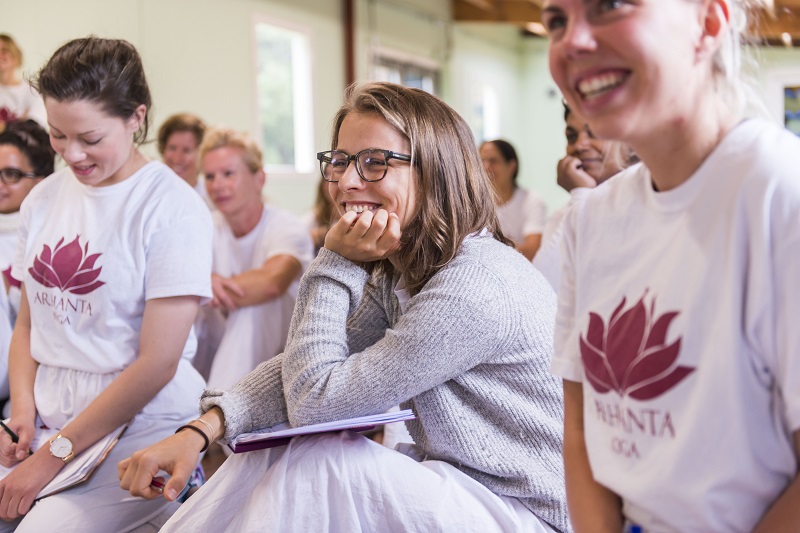
Becoming a yoga teacher is a once-in-a-lifetime opportunity. You will undergo different phases during these four weeks of Hatha Yoga Teacher Training. For example, in the first week, you may feel tired because you might not be used to studying 8–10 hours a day. You will begin your teaching practice from day two onward. If you have never taught before, you may be surprised at how much you enjoy teaching. You will receive authentic yet helpful yoga philosophy classes and feel inspired by the philosophical stories of Ram Jain.
In the second week, you will have settled in and become accustomed to the rhythm of the ashram life. Your body and mind will be more aligned after the first week of training and practice. You will see improvements in your meditation and asana practice, even if you struggle with the new challenges during the 'how to teach' class. As you share this experience with other like-minded and dedicated people, in week two, you will make friends with fellow students.
You will also get used to the long day schedule and be excited by all the new information you are absorbing. There will be a variety of special classes on different forms of yoga, such as Pregnancy Yoga, Kids Yoga, Gentle Yoga, Chair Yoga, etc. You will learn asana correction and modification techniques and start teaching in groups of three people. You will find yourself humming the chants and mantras we practice during the chanting sessions. Concepts from yoga philosophy will settle in your mind, and you will begin to see your life in a new light.
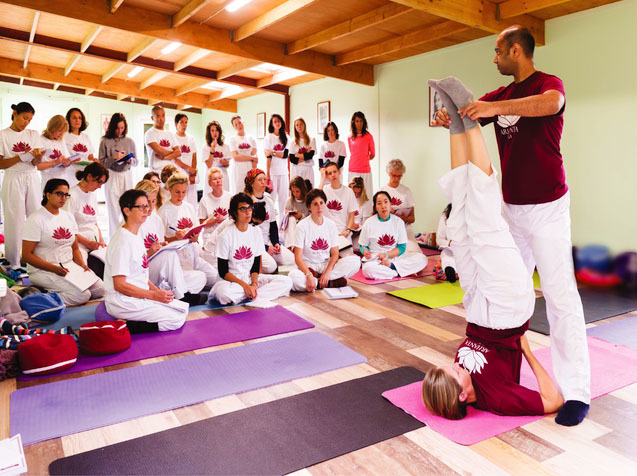

In the third week, you will make the most significant leaps in your physical and mental development, and your previous week’s work will bear fruit here. You notice that you gradually become more skilled and confident while teaching and have grown immensely in your understanding of yoga postures and anatomy. You will be completely immersed in the classes.
You may form emotional bonds with certain friends and, at times, become emotionally open in your new trust circle. With all of your new experiences, you may feel slightly overwhelmed. It's also possible that you'll miss your loved ones.
In the fourth week, you will be busy with final preparations for the end exams. You may have mixed feelings about finishing the course and soon re-joining your loved ones, returning to your ‘normal’ life, and saying goodbye to your new yoga family. You will find yourself either comforting or being comforted by others. You will experience joy and emotions beyond words in the last few days. The sense of accomplishment and newly developed self-confidence will fill you with great joy and happiness.
Yoga Teacher Training FAQ
1.
General FAQ
After this course, you will have the most vital foundation recommended for any good teacher. After that, you can work full-time or part-time as a yoga teacher at a yoga studio or start your own classes or a full-fledged studio.
Yes, to ensure proper personal attention and guidance to all students, the number of places are limited for each course.
Read: 4 reasons why it is possible to become a yoga teacher in 200 hours / 4 weeks
Yes, our 200-hour Hatha yoga teacher training in India is accredited by Yoga Alliance for 200-hour training. After completing the course, you can register as an RYT 200 with Yoga Alliance.
Yes, we are a registered yoga school. We also have worldwide accreditations with various yoga associations. With our certificate, you become eligible to buy yoga teacher insurance.
2.
Pre-requisites FAQ
Everyone has some challenges, it is normal. A flexible mind is more important than a flexible body. The program will teach you how to work with different challenges.
Yes, this course does not require any previous education.
It’s the foundation course and will teach the most important principles and skills from the start. All you need is a genuine interest in yoga. We recommend a regular practice of at least one year, but it is fully accessible to complete beginners.
No, there are no age limits. As long as you have a sincere desire to learn and you are physically well, you can follow this course.
This teacher training course is taught in basic English because the students come from all over the world. You have a sufficient level of English if you can read and understand an English newspaper. Please enquire if we have the course manual available in your language.
Read: Following a yoga teacher training when English isn't your first language
We do not have a mandatory reading list, but we have a suggested reading list. We prefer that you first understand the concepts in the course and then read the books. This way, you will gain the most out of your reading.
Yes, if you don't push yourself too far, you can do this training when pregnant. But please let us know in advance.
When you finish the course and the final practicums, you receive the certificate on the last day of the course.
Definitely, many of our students do not want to become professional yoga teachers. Still, they do this course to gain a solid foundation and deep knowledge for their personal practice and spiritual journey.
3.
Course & Support FAQ
In our 200-hour yoga teacher training, you will learn the original classical Hatha Yoga style. This is the foundation style.
The final practicum comprise of a simple theory exam and a practical teaching exam. The teachers will prepare you for both. For your reference, the average passing rate is 98%.
Yes, at Arhanta, we provide lifetime support to our students. You can contact the teachers anytime, even after you have completed your training.
To register as a RYT 200 please go to the Yoga Alliance Website and follow the registration process and pay their membership fees. During the process, you will upload a copy of your certificate issued by us. Once you have completed the application, we will receive a notification to verify your application. Once we confirm, you will be registered.
4.
Registration FAQ
We don't have deadlines, but our courses fill up well in advance. Therefore, we recommend you reserve your place as soon as you decide to join our course.
We have a more affordable non-refundable fee structure and a refundable fee structure. Please drop us an email for full details.
You can get an invoice for your payment. If you have a company, you can put it towards costs.
Yes, it is possible. Please drop us an email for detailed options.
Read more reviews