If you have ever thought, “I am a shy person; yoga teacher training is not for me,” you’re not alone. Many people quietly ask themselves, “Can introverts become successful yoga teachers?” Yes, introverts can become successful yoga teachers. For more clarity, keep reading.
Can Introverts Become Successful Yoga Teachers? Understanding What Truly Makes a Good Teacher
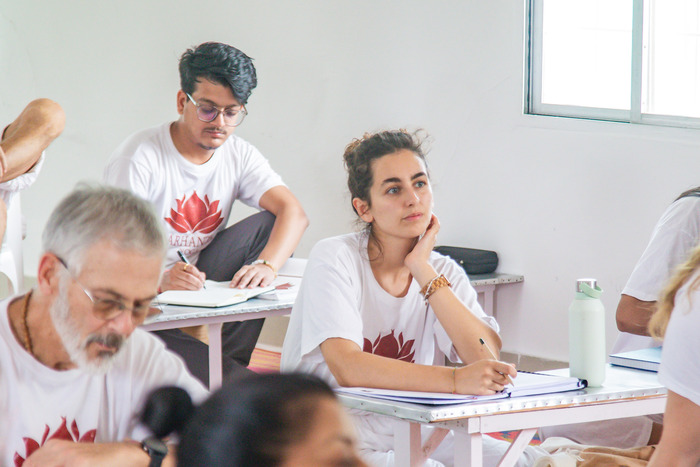
Yes, introverts can undoubtedly become successful yoga teachers. If you’re still wondering whether introverts can become successful yoga teachers, it’s important to understand this first: yoga teaching is not about being the loudest person in the room. It is about how clearly you guide, how closely you observe, and how steadily you hold space for your students.
Clarity of Instruction
A good yoga teacher does not rely on constant talking. Instead, they focus on giving clear, simple, and structured cues that the students can easily understand. When you are teaching yoga as an introvert, your natural tendency to think before speaking often leads to more effective instruction. Students enjoy your classes more and ask you questions without fear or hesitation.
Ability to Observe and Correct
Remember, teaching yoga is not just about demonstrating poses; it is also about observing others performing those poses. Introverts usually tend to notice small details: a misaligned knee, uneven weight distribution, or a student holding tension. This makes their corrections more precise and meaningful, slowly building confidence in them.
Consistency and Discipline
Whether you are outgoing or reserved, consistency is what builds trust in a class. Developing confidence as a shy yoga teacher does not come from changing your personality; it comes from showing up, practicing, and refining your teaching over time. Introverts often build this consistency quietly but strongly.
Understanding of Alignment and Safety
If you’re asking, is yoga teaching suitable for introverts, let us clarify one thing first. Good teaching is rooted in alignment, safety, and awareness. These are learned skills. A teacher who understands when to adjust, when to guide, and when to step back is far more valuable than someone who speaks well.
Holding Space, Not Performing
Yoga is not a stage where you have to perform to impress. It is a space. And holding that space requires presence, not performance. Many introverts are naturally comfortable with silence, which helps create a calm and focused class environment. Students don’t need a performer; they need a teacher who is steady and attentive.
In our teacher training, we often see students who begin as quiet observers, unsure of their voice. But with structured practice, they gradually develop confidence. This doesn’t happen because they suddenly choose to become extroverted. This progression happens through effective teaching.
Related: What Skills Do You Learn in a 200-Hour Yoga Teacher Training
Why Introverts May Have an Advantage in Yoga Teaching
When people ask whether introverts can become successful yoga teachers, they often assume they need to fix their nature to become a yoga teacher. In reality, many qualities required in yoga teaching already come naturally to an introvert yoga teacher, such as:
Deep Observation Skills
Introverts tend to observe things before they act. In a yoga class, this becomes a real advantage. You begin to notice everything: a collapsing arch, a lifted shoulder, uneven breathing. These small details are often missed in fast-paced teaching, but they matter deeply for alignment and safety. This ability to read students beyond what they say allows for more accurate and supportive guidance.
Listening Over Talking
A big part of teaching yoga as an introvert is listening; both to students and to the space itself. Instead of filling every moment with instructions and speaking quickly, you start to respond to what is actually happening in the room. This creates a stronger student connection, making your teaching more effective.
Comfort with Silence
Silence in a yoga class is not awkward; it is necessary. Breath awareness, stillness, and internal focus all require some pause. Introverts are usually more comfortable with these quiet moments, which helps create a grounded environment. If you’ve ever wondered if yoga teaching is suitable for introverts, this is one of the clearest reasons why it is. Not every second needs to be filled with words. In fact, sometimes silence becomes your superpower when leading a class.
Thoughtful Communication
Introverts often communicate with more intention. Instead of rushing through cues, they choose words carefully. This leads to clearer, more effective communication with the students. Over time, this also builds confidence. And this happens not by speaking more, but by speaking better.
Last year in our training, we had a student who barely spoke during the first few days. She observed everything, took notes quietly, and avoided stepping forward. But when she began teaching, her instructions were precise, her presence was calm, and her corrections were accurate. By the end of the course, students preferred her classes, not because she became louder, but because she remained attentive and clear.
For more clarity, read our complete blog: Can You Teach Yoga Confidently with a 200-Hour Certification.
Common Challenges Introverts Face while Teaching Yoga
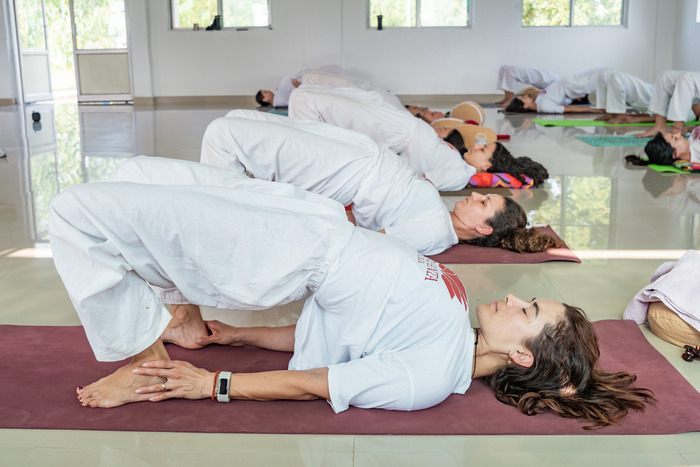
Fear of Speaking in Front of Groups
If you are an introvert person, standing in front of a room and giving instructions can feel uncomfortable at first. It’s not just about speaking; it’s about being heard, seen, and managing a room filled with students. In the beginning, many introverts speak too softly or rush through cues. However, we see them improving with repetition. Always remember that this initial discomfort is quite normal and it always gets better with time.
Self-Doubt During Teaching Practice
During training, especially in the early teaching rounds, you may constantly doubt yourself and feel uncertain. You may question your voice, your sequencing, or whether students are even following you. Many new introvert teachers go through a phase of constantly doubting their ability to lead a class. To overcome this doubt, you must recognize that this doubt comes from inexperience, not inability, and you will get better at this if you keep showing up.
Energy Drain After Classes
Unlike extroverts who may feel energized by group interaction, introverts often feel mentally drained after teaching. They often feel overwhelmed by these constant interactions. Remember that guiding a class requires focus, observation, and communication all at once. Without proper breaks or boundaries, this can lead to fatigue. Learning how to deal with burnout as a yoga teacher is important here to overcome this challenge.
Difficulty Promoting Themselves
Teaching is one part of the journey; reaching students is another. Many introverts find it uncomfortable to promote themselves, whether online or in person. In this phase, talking about your own classes, sharing your work, or putting yourself out there can feel a little unnatural. But visibility is part of teaching today, and this is a skill that can be developed gradually.
Want help in establishing your personal yoga brand? Explore: How to Build Your Personal Brand as a Newly Certified Yoga Teacher
How Introverts Can Become Confident Yoga Teachers
Confidence in teaching does not come from becoming more outgoing. It comes from knowing what to do, when to do it, and trusting your process.
Repetition Through Teaching Practice
The first few times you teach, it might feel difficult. You may forget cues, lose track of sequencing, or feel unsure about your voice. Here, the problem is not your introvert nature; it’s a lack of practice. The more you teach, the more your mind settles into the structure of a class. Over time, your instructions become smoother, your timing improves, and your presence feels steadier.
Structured Training with Real Classroom Exposure
Not all training environments prepare you equally. A structured teacher training that includes real classroom exposure makes a noticeable difference. Practicing in front of actual students, receiving real-time feedback, and repeating the process builds practical confidence. For an introvert yoga teacher, this step-by-step exposure reduces hesitation because you’re not guessing; you’re learning by doing it in real life.
Learning to Teach Step-by-Step
Many beginners assume teaching means speaking continuously or keeping the class entertained. That pressure can increase self-doubt, especially when it comes to teaching yoga as an introvert. In reality, a well-taught class follows a clear structure: opening, warm-up, peak, cooldown, rest. When you understand this flow, teaching becomes a process you follow, not a performance you have to maintain.
Developing a Teaching Voice Over Time
Your teaching voice does not appear on day one. It develops gradually. In the beginning, you may speak softly or hesitate. With consistent practice, your tone becomes clearer, your pacing improves, and your instructions feel more natural. This is how shy yoga teachers often build confidence, not by forcing yourself to be louder, but by becoming more certain of what you’re guiding.
In our training, we often see a shift around the second week. Students who were initially hesitant begin to settle into their rhythm. They stop overthinking every word and start focusing on the students in front of them. That’s usually the moment when confidence starts to feel real, not because they’ve changed who they are, but because they now understand how to teach.
Also See: Is Yoga Teacher Training Worth It in 2026
Yoga Teaching Styles That May Suit Introverted Yoga Teachers
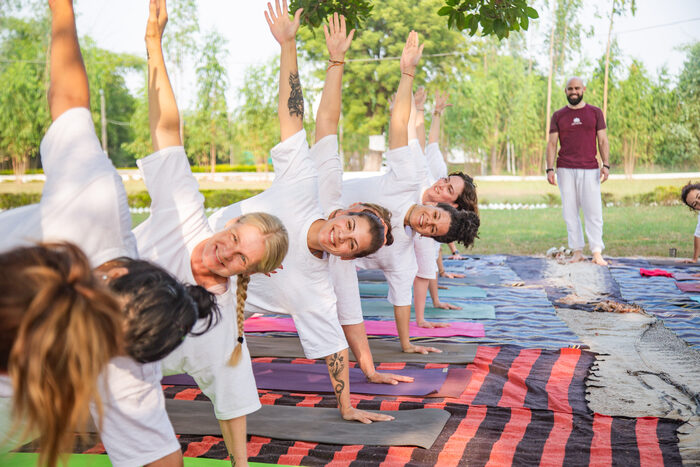
Not every yoga class demands the same kind of energy. An introvert yoga teacher often thrives in environments that allow focus, observation, and steady interaction.
Small Group Classes
Smaller groups create space for real attention. You can observe each student more closely, adjust postures with care, and maintain a calm pace. For many introverts, this setting feels more natural and leads to better teaching quality.
One-on-One Sessions
Private sessions remove the pressure of managing a big room filled with students. In private classes, you can listen, adapt, and guide based on one person’s specific needs. This is one of the most effective ways of teaching yoga as an introvert, as it allows depth over volume.
Alignment-Focused Teaching
If you enjoy precision and detail, alignment-based classes are a strong fit for you. These sessions don’t really demand high energy. Rather, they rely more on observation, correction, and clear instruction. This style also supports students in building confidence, safety and long-term progression.
Therapeutic or Slower-Paced Classes
Slower classes like restorative, Yin, or therapeutic yoga require patience, quiet guidance, and the ability to hold space. Silence is not a gap here; it’s part of the practice. This makes it easier for introverts to teach without forcing constant interaction. We’ve even seen this in real life. Introvert students often enjoy the Yin sessions more, as they focus more on stillness.
Online Teaching
Online classes let you arrange yoga classes in a quieter, more manageable environment, perfect for beginning your yoga teaching journey as an introvert.
You can control your environment, camera angle, and pace without the immediate pressure of guiding a room full of people. This allows you to focus more on your instructions and timing. Here, you also get the chance to observe students more deliberately; for example, watching their movement on screen, pausing when needed, and guiding without feeling rushed. As an introvert yoga teacher, this is the perfect place to begin teaching. With consistency and regular exposure to real students, you may soon develop the confidence to teach yoga in person.
For more details, read our complete blog: Teaching Yoga Online vs In-Studio: Pros, Cons & Best Practices.
How a Good Yoga Teacher Training Supports Introverts
A well-structured training can help introvert teachers develop confidence and stay focused. The environment matters. Not because it changes your personality, but because it gives you a clear way to practice teaching.
Structured Teaching Practice from the Start
In effective programs, teaching is not left for the end. You begin with short, guided teaching exercises early on, sometimes just a few minutes of cueing or demonstrating. This gradual exposure to real teaching situations helps an introverted yoga teacher ease into speaking and guiding others without feeling any pressure.
Focus on Method, Not Personality
Good training does not expect you to “become confident” instantly. It focuses on method, for example, how to sequence a class, how to give cues, how to observe. When you know what exactly you need to do, you feel relieved. This is especially helpful when teaching yoga as an introvert for the first time.
Repetition Builds Stability
As mentioned, Confidence does not appear suddenly; it builds through repetition. Teaching again and again, receiving feedback, adjusting, and trying once more creates familiarity. And that’s exactly what most yoga schools do, including Arhanta, to make the students feel confident. Over time, your attention shifts from “How am I doing?” to “What does the student need right now?” Your self-consciousness starts to disappear, and that’s what helps you succeed as a new yoga teacher.
Real Teaching Exposure, Not Just Theory
Learning about teaching is not the same as teaching. Practicing in a real classroom setting, where people move differently, make mistakes, and respond in real time, is what it all takes. It prepares you to appear in a class with confidence and clarity. It also helps you understand how to manage space, timing, and attention without rushing.
Searching for good yoga school to begin your training? Read our complete blog Top 12 Yoga Teacher Trainings in India 2026
Frequently Asked Questions
Can a shy person become a yoga teacher?
Yes. Being shy does not prevent you from teaching yoga. Many teachers begin quietly and grow through practice. What matters more is how well you understand the method and how clearly you can guide students.
Do you need to be extroverted to teach yoga?
No. Yoga teaching is not based on personality type. You don’t need to be outgoing or highly expressive. A calm, steady presence is often more effective than constant talking.
How do introverts handle teaching groups?
Most start by feeling slightly uncomfortable, especially in the beginning. With repeated teaching practice, they learn to manage pacing, voice, and attention. Over time, the focus shifts from self-consciousness to observing and guiding the group.
How can I build confidence before teaching yoga?
Start with small steps: practice cueing at home, teach a friend, or guide short sequences. Confidence builds when you repeat the process and understand the structure of a class. It develops gradually as your teaching becomes more familiar.
Final Thoughts
If you’ve been asking yourself can introverts become successful yoga teachers, the answer remains is: yes. Introversion is not a barrier. In many ways, it aligns closely with what traditional yoga teaching asks of you: awareness, steadiness, and the ability to guide without unnecessary noise.
You don’t need to become an extroverted person to teach yoga. Here, all you need is a clear understanding of the methods, consistent practice, and proper knowledge of how to hold space for others. That is where real confidence comes from.
If you are interested in learning yoga in a traditional, structured way and becoming a confident yoga teacher, you may explore our 200-hour yoga teacher training.