Yoga teacher training in India offers more than internationally recognized certification. It gives you the opportunity to learn Yoga in the cultural setting where the tradition developed. This guide explains why many aspiring teachers still choose India and how to decide if it’s the right path for you.
Why Yoga Teacher Training in India Remains the First Choice
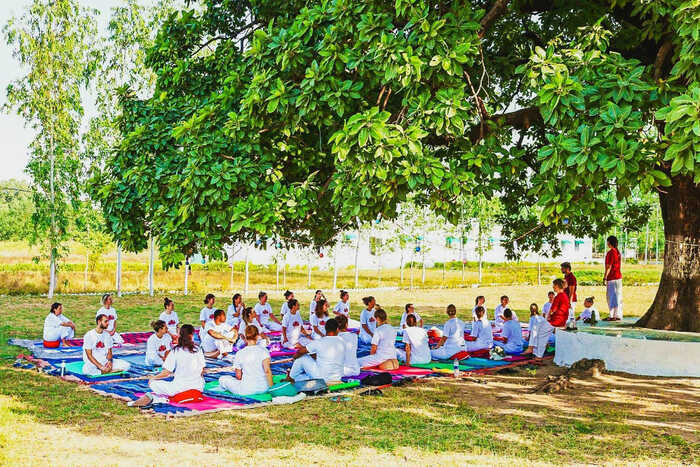
India continues to attract thousands of aspiring yoga teachers every year because studying here combines structured Yoga education with the cultural environment that has shaped the practice for generations. It is not simply the birthplace of Yoga. It is a place where the philosophy, discipline, and daily rhythm of Yoga still exist beyond the classroom.
Over the years, I have met students who arrived from Germany, Spain, Canada, Brazil, Australia, and dozens of other countries. Their reasons for coming were rarely identical. Some wanted to improve their personal practice; others hoped to change careers, and a few simply wanted to step away from the relentless pace of modern life for a few weeks. Yet by the end of the course, their reflections often sounded surprisingly similar.
Very few talked about mastering difficult postures. Instead, they spoke about finally understanding why Yoga was designed as a complete way of living rather than just an hour of exercise. That understanding is difficult to develop until you witness it yourself.
Today, excellent Yoga schools exist around the world. Yet many students still choose to study Yoga in India because the teachings remain closely connected to the environment in which they developed.
Learning continues beyond the classroom through everyday experiences:
- Philosophy becomes part of daily conversations.
- Everyday experiences reinforce yogic teachings.
- Daily routines support reflection and self-awareness.
- Practice naturally extends beyond scheduled classes.
- Every point already exists in the copy.
I’ve noticed that many students arrive expecting technical knowledge, alignment cues, anatomy lessons, and sequencing methods. Those are all essential parts of any 200-hour Yoga Teacher Training program, and they should be. But somewhere along the journey, another kind of learning begins which is slower and less obvious. That difference often stays with them long after they return home.
People often describe India as the “authentic” place to learn Yoga, but that word has become so overused that it has lost much of its meaning.
A better way to describe it is this: India gives Yoga context.
Practices that often feel separate in daily life begin to connect naturally. Breathwork, philosophy, and daily routines become part of one continuous learning experience, helping students understand Yoga beyond the classroom.
You begin to see connections that are easy to miss back home, and that’s where some of the deepest learning happens.
Why Learning Yoga in India Feels Different
Learning Yoga in India feels different because the experience doesn’t stop when class ends. The environment reinforces what you’re learning, making the practice feel less like something you do for a few hours and more like something you live each day.
Many people assume the biggest difference is tradition. Tradition certainly matters, but it isn’t what most students remember years later. They remember how the days felt.
A typical day in an Ashram often includes:
- Morning practice before sunrise
- Breakfast followed by philosophy, anatomy, and teaching sessions
- Informal learning through conversations with teachers and fellow students
- Quiet evenings that encourage reflection instead of distraction
Learning often continues outside scheduled classes. Conversations over meals naturally move from philosophy and alignment to personal experiences, allowing students to understand Yoga in a more practical and meaningful way.
I’ve seen these moments unfold countless times over the years. They’re rarely dramatic. Nobody declares that they’ve had a life-changing realization. But those ordinary conversations often become the memories students write to us about years later because they remind them that Yoga isn’t confined to a studio. It becomes part of everyday life.
An Ashram Environment Removes Everyday Distractions
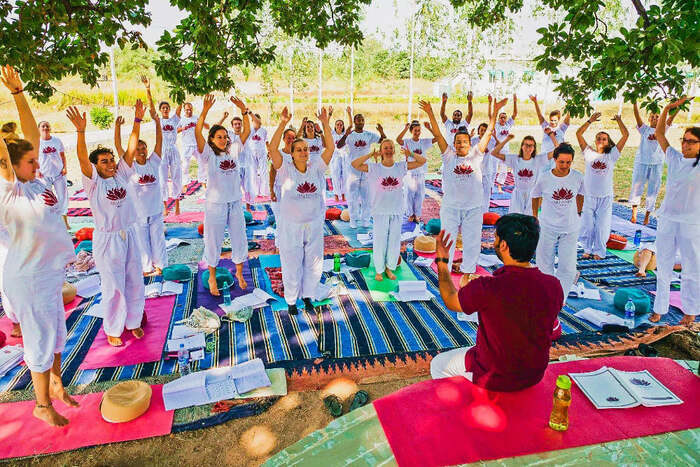
An ashram environment creates the space to focus on learning in a way that most people rarely experience. Back home, yoga classes usually fit between work, family responsibilities, and errands. Even with the best intentions, your attention is divided before practice even begins.
Life in an ashram follows a consistent rhythm. Meals, practice, and study are built into each day, allowing you to focus fully on learning. Without constant distractions, it’s easier to absorb knowledge and apply it immediately rather than trying to remember it later.
If this kind of focused learning appeals to you, an immersive Ashram-style Yoga Teacher Training lets you experience that rhythm from the moment you arrive, allowing practice, study, and daily life to support one another.
The people around you also shape the experience. Students from different countries bring different perspectives, while shared meals and practice sessions create a strong sense of community. Many students leave with lasting friendships and greater confidence from learning alongside others.
Experienced Teachers Matter More Than the Destination
Choosing the best Yoga Teacher Training program in India isn’t really about choosing the most beautiful location. It’s about choosing teachers who can guide your understanding with clarity, patience, and years of practical experience.
Beautiful locations can make a training look appealing, but they don’t determine the quality of your education. While scenic settings enhance the experience, experienced teachers have a far greater impact on how much you learn.
But after more than fifteen years of training yoga teachers, I can say this with confidence that students rarely remember the view.
Experience Shows Up in Small Moments
An experienced teacher doesn’t simply demonstrate postures well. They notice things others miss.
Experienced teachers often notice what others miss:
- Holding your breath while trying to balance
- Tension caused by effort rather than limited flexibility
- The right moment to guide instead of immediately correcting
- Common fears before students express them
This depth of teaching develops through years of working with hundreds of students. Over time, experienced teachers begin recognizing common patterns, helping them support not only physical practice but also the confidence needed to teach.
Good teachers share information. Great teachers help people grow.
Traditional Wisdom Meets Modern Teaching

One reason many students choose to learn Yoga in India is the opportunity to study with teachers who respect traditional teachings while also embracing modern knowledge.
Today’s yoga teachers need more than philosophical understanding alone. They need anatomy, injury awareness, communication skills, ethical teaching practices, and the confidence to adapt classes for different students.
The strongest schools combine traditional philosophy with modern teaching methods. This balance prepares graduates to teach safely and confidently while meeting international standards through a Yoga Alliance certified Yoga Teacher Training program in India.
India Offers Better Value Beyond Cost
Many people begin comparing tuition fees before they compare the learning experience itself. While cost is naturally part of the decision, it rarely tells the whole story. Accommodation, daily meals, teacher access, practice hours, and the opportunity to live and study in an ashram all shape what you gain from the training.