Connection sits at the center of human experience. Feeling seen, heard, and understood shapes our sense of belonging and supports emotional well-being. Yoga offers a grounded way to strengthen this connection, both within yourself and with others.
Through mindful movement, steady breathing, and present awareness, yoga teaches you to listen more closely. You begin to notice physical and emotional signals, in your own body and in the people around you. This awareness doesn’t stay on the mat. It naturally carries into daily life, influencing how you communicate, respond, and relate.
Here, we’ll explore how yoga supports healthy relationships, the link between yoga and connection, and practical ways mindful practice can improve communication and understanding in everyday life.
What Yoga Teaches Us About Relationships
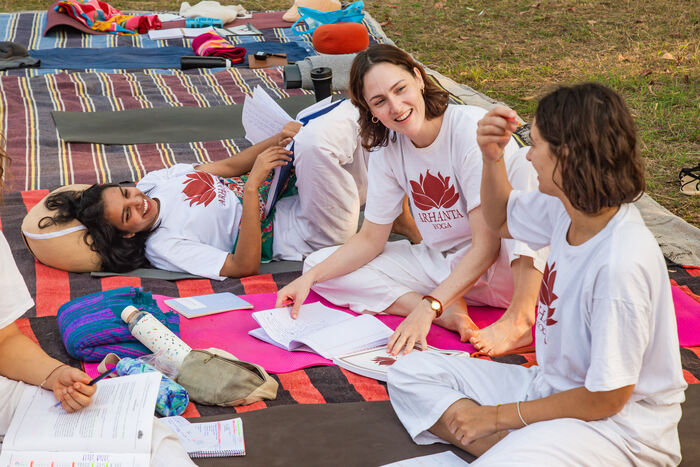
Yoga teaches us that the relationships we share with others are more than just social bonds; they are our opportunities for growth, learning, and self-awareness. By understanding karma, dharma, and mindful presence, we can engage with others compassionately and meaningfully.
Relationships as Karmic Connections
Yoga philosophy perceives yoga relationships as karmic connections. These relationships bring people together to teach lessons, foster growth, support shared yoga practice, and help us evolve emotionally and spiritually.
Seeing Ourselves Through Others
Our interactions with our loved ones often reflect our inner habits and patterns. Yoga lets us understand these patterns, which helps you respond with compassion rather than reaction. It teaches us how to nurture yoga and relationships together and build connections that extend beyond social tags.
Practicing Dharma in Relationships
Dharma, or our role and responsibilities in life, guides how we act in relationships. Acting with awareness and kindness, without attachment to outcomes, cultivates sattva and makes us better humans.
Turning Relationships into a Practice
Through presence, patience, and mindful actions, relationships can become a living yoga practice, deepening connection and empathy both on and off the mat. This pretty much summarizes the importance of yoga for connection.
Also See: Yogic Ways to Build Stronger Groups and Relationships
The Social & Emotional Benefits of Shared Yoga Practice

Practicing yoga with others, whether in a class, workshop, or small group, offers benefits that go beyond physical movement. It creates a space for connection, enlightens you about the benefits of group yoga, fosters mutual understanding, and, most importantly, helps people strengthen not only their bodies but also their social and emotional bonds. Here’s how shared yoga practice can positively impact real relationships:
Increased Empathy
When we join a yoga teacher training course, we learn to notice subtle cues. Breath, posture, and energy begin to shift not only in us, but in others. This awareness can transfer into your everyday life, making you more compassionate to others’ feelings and experiences.
Over time, this shared yoga practice encourages understanding and empathy, helping us respond thoughtfully rather than react impulsively in relationships.
Better Communication
Yoga often prioritizes mindful presence and compassion, which can help you improve how you communicate with others. By practicing active listening and observing non-verbal signals in a class setting, we develop skills to express ourselves more clearly and to understand others’ perspectives. This reduces misunderstandings and fosters healthier yoga relationships down the line.
Shared Motivation and Accountability
Practicing yoga with others creates a sense of belonging and commitment. Seeing others dedicate time to their practice can inspire us to stay on track and attend every class on time. This creates a subtle but powerful support system that strengthens not only personal discipline but also relationships within the group.
Also See: What to Expect from a 200-Hour Yoga Teacher Training?
Yogic Wisdom for Building Better Relationships on the Mat & Off
Yoga philosophy offers simple, practical tools that can strengthen our communication with others. Try these key yogic practices and see how they make a difference in daily conversations, conflicts, and shared moments.
Practice Ahimsa
Ahimsa, or non-harm, is the foundation of all yogic ethics. In relationships, it begins with how we speak and how we react. Words spoken in frustration often linger longer than we expect. Ahimsa reminds us to pause before responding and to choose language that doesn’t add unnecessary pain.
Practicing Ahimsa doesn’t mean avoiding honesty or difficult conversations. It means communicating with care. You learn to express your needs without blaming, to listen without preparing a defense, and to stay grounded even when emotions run high. Over time, this approach reduces conflict and builds trust, allowing relationships to grow with clarity and mutual respect.
Use Satya to Express Truth
Satya, or truthfulness, guides us to speak honestly while remaining mindful of how our words land. In yoga, truth is not meant to be sharp or reactive. It is meant to be clear, steady, and respectful.
Practicing Satya in relationships means expressing what you feel or need without exaggeration, blame, or defensiveness. You choose words that reflect your truth without causing unnecessary harm. When honesty is paired with care, trust deepens rather than breaks. Over time, Satya supports open communication and helps relationships grow on a foundation of sincerity and mutual respect.
Discover: How to Cultivate Inner Peace with Yoga
Cultivate Deep Listening
Deep listening means being fully present, without planning your response or mentally arguing back. When we truly listen, people feel seen, valued, and understood. Sometimes we need to listen to others without passing judgment. This simple act can shift the tone of any relationship, helping reduce misunderstandings and strengthen emotional connection.
Apply Aparigraha to Release Expectations
Aparigraha, or non-grasping, teaches us to loosen our grip on materialistic expectations. In relationships, expecting specific outcomes or behaviors often leads to unrealistic expectations that can turn into frustration when they are not met.
Try to let go of things rather than be bound to materialistic happiness. Letting go makes room for natural growth, more flexibility, and a healthier appreciation of the relationship as it is, not as we think it “should” be.
Practice Svadhyaya to Understand Your Patterns
Svadhyaya, or self-study, is about getting to know yourself better. It helps you notice how you usually react, what triggers you, and the habits you bring into conversations and relationships. Often, these patterns run in the background without us realising it.
When you start paying attention, things shift. You catch yourself before reacting. You respond more thoughtfully instead of emotionally. This awareness makes conflicts feel less personal and helps conversations become more honest and grounded, strengthening your connection with others.
Bring Mindfulness into Shared Practice
When you’re practicing yoga with others, mindfulness starts with simple attention. Stay with your movement. Listen fully to the teacher’s cues. Notice your breath as it moves. This kind of presence helps you understand the practice more clearly and creates a respectful, supportive atmosphere within the group.
Mindfulness also shapes how you relate to people. When you slow down and stay aware, you begin to notice subtle cues, tone, and energy. This carries into daily life as well. You listen more carefully, respond with intention, and bring warmth into your interactions. Over time, this presence builds trust and makes connections feel more genuine and grounded.
How Teachers Can Foster Connection in Their Classes
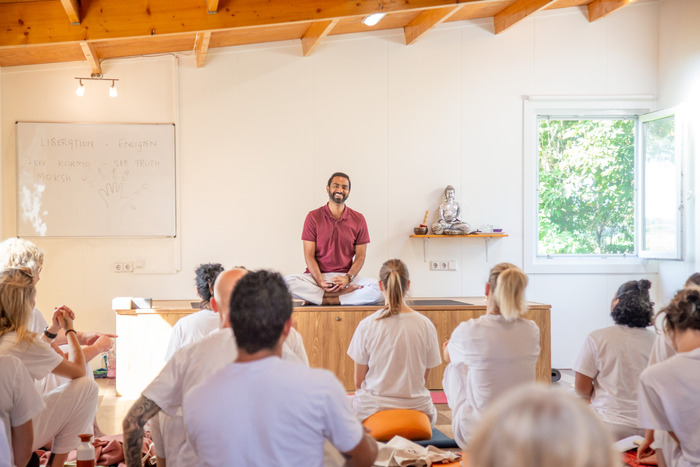
For many students, a yoga class is a place where they feel safe enough to slow down, show up as they are, and breathe more fully. And a yoga teacher plays a central role in shaping that experience.
Connection doesn’t come from doing more. It comes from how you teach. Try these tips in your next class to help your students feel seen and supported.
Use Inclusive Language and Tone
The way you speak shapes how students feel in your class. Your words can either create ease or reinforce comparison. Inclusive language helps students feel welcome and supported, regardless of their body, ability, gender, or level of experience. It invites choice rather than pressure and encourages students to listen to themselves.
A calm, respectful tone helps people relax into the practice. When students feel acknowledged instead of evaluated, they’re more likely to stay present and engaged. Over time, this approach supports connection within the group. Students who arrive alone often begin to feel part of something shared, which builds confidence and strengthens the sense of community you’re creating.
Encourage Partner or Group Work
Partner or group practices can build trust and a sense of shared experience. Simple activities, for example, a group pranayama session or gentle Yin group classes can foster yoga relationships with other practitioners and encourage awareness of others without adding pressure.
Create a Safe, Non-Judgmental Environment
A sense of safety is essential to create meaningful relationships in yoga. Teachers foster this by normalizing limitations, rest, offering modifications instead of demands, and avoiding language that promotes competition or comparison.
When students know they can modify, pause, or step back without the pressure of being judged, they feel respected and supported both physically and emotionally. This helps them fully concentrate on their practice without worrying about anything else.
Balancing Instruction with Silence and Shared Breath
Constant verbal instructions often confuse students and disconnect them from their own awareness. Allowing moments of silence or guiding shared breathing helps create a collective rhythm in the room.
These pauses encourage presence and subtly connect students through a shared yoga experience. Remember, silence has its own power. It lets us observe ourselves and become aware of how we feel in each pose.
Final Thought
Connection does not grow overnight; it develops gradually through awareness and shared experience. Yoga offers a practical tool for nurturing this, within us and with others.
For those interested in exploring further, a residential 200-hour yoga teacher training offers an immersive space where connection develops naturally. Living, practicing, and learning together, you’ll experience honest interaction and shared growth, both on and off the mat.