An authentic sattvic diet is more than just eating clean vegetarian meals. In traditional yoga, food is considered important because it can influence the body, mind, and quality of awareness. But what does sattvic eating actually involve, and why does it still matter? In this article, we will discuss its yogic roots alongside modern nutrition.
What Is a Sattvic Yogic Diet in Yoga?
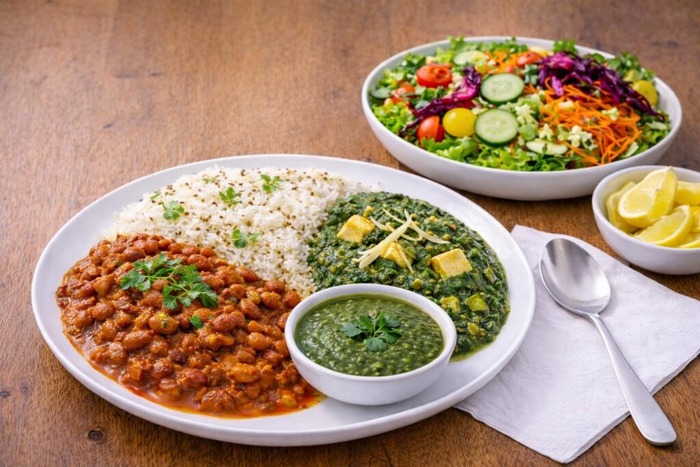
The word sattvic comes from sattva, one of the three gunas described in Indian philosophy. The gunas are qualities that are used to describe different tendencies in human nature, including qualities associated with our mind and behavior.
In yoga, we look at food not just for its nutrition value, but also for the experience it brings us.
Understanding the Three Gunas
The three gunas are:
- Sattva — associated with clarity, balance, harmony, and steadiness
- Rajas — associated with activity, stimulation, movement, and restlessness
- Tamas — associated with inertia, heaviness, dullness, and inactivity
Traditional yoga texts like the Bhagavad Gita also talk about food using this framework. It describes sattvic foods as supporting nourishment, vitality, health, and a pleasant state of being.
What Foods Are Considered Sattvic?
A sattvic diet usually includes fresh, wholesome, and prepared foods. The specific foods can differ between traditions, but often include:
- Fresh seasonal fruits
- Fresh vegetables
- Whole grains
- Rice
- Legumes, especially mung dal
- Nuts and seeds
- Fresh dairy, when suitable for the individual
- Ghee
- Mild herbs and spices
- Freshly prepared meals
The focus isn’t just the type of food. In a sattvic diet, freshness, preparation, portion size, and whether it suits the person are all important.
For example, a bowl of freshly cooked rice, mung dal, seasonal vegetables, and a small amount of ghee can fit naturally into a sattvic meal. The same meal is also nutritious for someone who spends several hours studying or practicing yoga because it provides a combination of carbohydrates, protein, and fat without relying on highly processed ingredients.
What Sattvic Eating Looks Like in an Ashram
At our ashram, for example, we prepare meals around simple, freshly cooked foods rather than colorful dishes designed to stimulate the palate. Here, a typical meal may include rice or another grain, dal, cooked vegetables, and mild seasonings.
The Ashram food culture often reflects a broader yogic way of eating. Here, food is simple, prepared with care, eaten in moderation, and fits into your daily routine.
This is why calling a sattvic diet just a “vegetarian diet” is not correct. Vegetarian meals can still be highly processed, too rich, or overeaten. A sattvic meal is about food quality and how you eat it.
Sattvic Diet vs Ayurvedic Diet: Are They the Same?
Although the terms are often used together, a sattvic diet and an Ayurvedic dosha-based diet are not the same thing.
A sattvic approach is mainly based on the yogic idea of the gunas and the qualities linked to food and awareness. Ayurveda, on the other hand, looks at how the food fits with a person’s body type and current state.
Sattvic Eating: The Yogic Perspective
From a yogic perspective, the focus is on choosing foods that support clarity, balance, and steadiness. Ask yourself this simple question before every meal: “Does this food support the way I want to live and practice?” This will help you gain some clarity and treat your food as part of a broader lifestyle, not just a matter of nutrition
Ayurveda: The Individual Perspective
Ayurveda takes a more personal approach. Here, food choices are based on factors like:
- Prakriti: a person’s natural tendencies
- Vikriti: the person’s current state or imbalance
- Agni: digestive strength
- Season
- Age
- Activity level
- Digestion
- Individual tolerance and requirements
This means that a food seen as sattvic is not always the best choice for everyone, at all times, or in any amount.
For example, two people might eat the same simple meal but still feel very different afterward, depending on their digestion, activity level, climate, and personal needs. One may feel calm and energized, while the other may experience heaviness, bloating, or other discomfort.
Why This Difference Matters
Knowing this difference helps clear up a common myth about sattvic eating: No single sattvic meal suits every yoga practitioner.
The sattvic framework provides a traditional way of thinking about food and its relationship with practice. Ayurveda adds another layer by considering the individual’s needs. Modern nutrition adds another layer by considering factors such as energy intake, protein, fiber, micronutrients, and overall dietary adequacy.
Together, these perspectives help us understand sattvic eating without turning a it into a one-size-fits-all diet for yogis.
To go deeper into this, read: What Is Mitahara? The Yogic Principle of Mindful Eating Explained
The Principles Behind a Sattvic Diet
Freshness
Freshness is an important factor in traditional sattvic eating. Meals are generally prepared from fresh ingredients and eaten soon after cooking. A sattvic diet encourages you to avoid overly preserved or highly processed foods.
This principle is particularly visible in an ashram environment. For example, at our ashram, we prepare every meal fresh as part of the daily routine, using simple ingredients and seasonal vegetables. Here, we treat food as a part of the practice environment, not something prepared separately.
However, freshness doesn’t mean you have to eat everything right after it is made, or that leftovers are always bad. Food safety, storage, and your own situation still matter.
Simplicity
Traditional sattvic meals are usually simple, not fancy. Instead of mixing many rich ingredients or strong flavors, these meals use just a few wholesome foods in a straightforward way.
For example, a meal of rice, mung dal, cooked vegetables, and a bit of ghee is simple but still gives you carbohydrates, protein, fat, and other nutrients all in one plate.
This simple approach also helps you notice how different foods affect your digestion and comfort. When you do not keep changing ingredients and flavors, it is easier to know what you are really eating.
Moderation
One helpful principle in yogic eating is Mitahara, which means eating in moderation.
Moderation does not mean eating as little as possible. It means avoiding both excess and unnecessary restriction and giving your body the amount of food it needs.
This helps you raise practical questions:
- How much food do you need?
- When are you genuinely hungry?
- Are you eating because of hunger or habit?
- Are you eating too heavily before physical practice?
- Do you stop when you have had enough?
This is especially important for yoga practitioners. Eating a heavy meal right before practice can make you feel uncomfortable, while not eating enough can leave you low on energy for practice and daily life.
Nourishment Without Excess Stimulation
Traditional yogic diets usually prefer foods that are mild, nourishing, and easy to digest, instead of foods made with too much chili, salt, sourness, frying, or other strong flavors.
But that doesn’t mean sattvic food has to be bland. You can use herbs and mild spices to add flavor without making the meal too rich or strong.
For example, a simple vegetable dish with cumin or coriander differs significantly from a meal that uses too much chili, salt, oil, or deep-frying.
Mindful Eating
In sattvic eating, the way you eat is just as important as what you eat.
For example, eating while looking at your phone or working can make it hard to notice your food’s texture, aroma and your body’s signals. At our ashram, we ask students to sit together and eat in silence. This helps everyone eat mindfully and enjoy their meal more.
A more mindful approach may involve:
- Eating without unnecessary distractions
- Taking time to chew food properly
- Choosing portions appropriate to your needs
- Paying attention to hunger and fullness
- Eating at a comfortable pace
- Avoiding habitual overeating
You do not have to make every meal a formal meditation. Just slowing down and paying attention to your food and how your body feels can make eating more mindful.
Food Quality and Preparation
Sattvic eating also emphasizes how you select and prepare food. Seasonal produce, minimally processed ingredients, suitable cooking methods, and freshly prepared meals fit naturally within this approach.
For example, instead of using packaged foods, a sattvic meal might start with seasonal vegetables, a whole grain, and a pulse, cooked simply with the right herbs and spices.
Also, how you cook your food changes how it feels and how easily it digests. Some foods are easier to eat when cooked, while others are fine to eat raw.
Ultimately, the principles of a sattvic diet are more about developing a consistent approach to freshness, simplicity, moderation, nourishment, and awareness.
Related: Ayurveda Winter Wellness: Daily Rituals & Recipes for Vitality & Balance
How to Apply a Sattvic Diet Day to Day
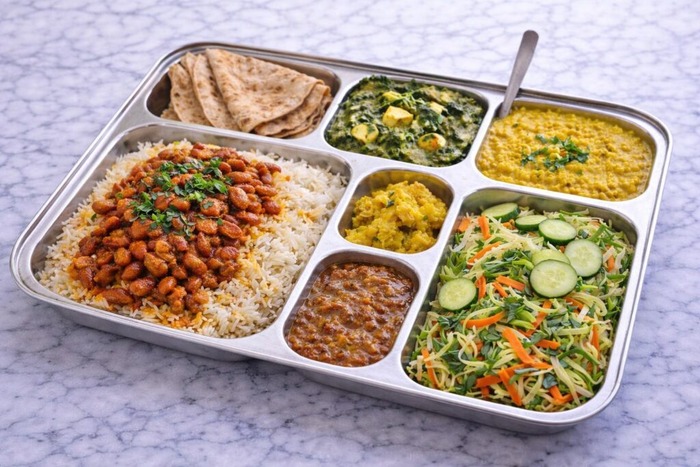
Start the Day with a Simple Breakfast
You can have a light breakfast and still get proper nutrition. Fresh fruit, whole grains, nuts, and cooked foods are all great choices for a sattvic-style morning meal.
Some practical options include:
- Fresh seasonal fruit with a small portion of nuts
- Vegetable poha
- A simple porridge made with oats or another whole grain
- Lightly spiced oatmeal
The important point is not to force yourself into a particular breakfast simply because you saw it in a social media reel or found it on a magazine’s sattvic food list. If you practice yoga in the morning, your meal timing and portion size may need to differ from someone whose physical practice happens later in the day.
Build Lunch Around a Balanced Meal
Lunch is often the biggest meal of the day, especially if you have a busy schedule. Here’s an easy way to put it together:
Whole grain + dal or another legume + vegetables + a suitable source of fat
For example:
- Rice + moong dal + seasonal vegetables
- Vegetable khichdi + cooked vegetables
- Roti + dal + cooked vegetables
- Rice + dal + vegetable preparation with a small amount of ghee
This shows that a sattvic meal can be simple. A bowl of khichdi made with rice, mung dal, vegetables, and mild spices can be one of the simplest ways to put a sattvic meal together. It is wholesome, easy to prepare, and doesn’t require a long list of ingredients. In our ashrams, khichdi is a familiar part of our daily meals; simple, comforting, and practical for everyday eating.
Choose Snacks That Actually Serve Your Hunger
Snacks don’t have to be packaged foods. If you’re truly hungry between meals, simple foods are a good choice.
Consider:
- Seasonal fruit
- A small portion of nuts or seeds
- Fresh coconut
- Simple homemade snacks
But portion size still matters. Nuts and seeds are healthy, but they are also high in calories. Eating sattvic foods doesn’t mean you should eat as much as you want just because they’re nutritious.
Keep Dinner Light, but Not Insufficient
Many people who practice yoga like to have dinner earlier and keep it light, especially if they do yoga in the evening or go to bed early. Eating a heavy meal late can feel uncomfortable and might not work for everyone.
A simple dinner might include:
- Vegetable khichdi
- Cooked vegetables with rice
- Roti with dal and vegetables
- A light grain-and-vegetable meal
But “light” doesn’t mean eating too little. If you train hard, have a physical job, or need more energy, you might need a bigger dinner. Make sure your meals meet your needs, not just a strict idea of what dinner should be. For better digestion, try to finish your dinner before 7:00 PM.
Choose Beverages with the Same Sense of Simplicity
Water can be your main drink during the day. Depending on what you like and your traditions, you can also have mild herbal teas or other fresh drinks.
Some traditional yoga and Ayurveda schools limit or avoid drinks with caffeine because they see them as stimulating. This is just a traditional preference, not a proof that caffeine is always bad or doesn’t fit with yoga.
If you drink tea or coffee, it’s more helpful to ask if it fits well with your diet, routine, sleep, and yoga practice.
Let the Meal Fit Your Practice, Not the Other Way Around
You don’t have to eat the same foods at the same times every day to follow a sattvic diet. Your schedule, appetite, activity level, climate, digestion, and nutritional needs all play a role in deciding what works best for you.
The practical goal is to create a pattern of eating that is fresh, balanced, moderate, and sustainable. Instead of asking whether every ingredient is perfectly “sattvic,” start by asking whether your meals provide enough nourishment, whether you eat with reasonable awareness, and whether your food choices support the way you actually live and practice yoga.
Also See: What Is Sattva in Yoga? Meaning, Benefits, and How to Cultivate It
How Does a Sattvic Diet Differ by Dosha?
A sattvic diet gives you a broad framework for choosing fresh, simple, and nourishing foods, while Ayurveda takes a more individualistic approach. In Ayurveda, Vata, Pitta, and Kapha are three primary doshas, each associated with different qualities and functions in our body.
Vata: Favor Warm, Cooked, and Nourishing Foods
According to Ayurveda, Vata is linked to qualities like lightness, dryness, cold, and movement.
So, if you want to follow a sattvic diet that suits Vata, you might focus on:
- Warm, freshly cooked meals
- Cooked vegetables rather than relying heavily on raw foods
- Moist preparations such as soups, stews, and khichdi
- Regular meal times
- Nourishing grains, legumes, and suitable sources of healthy fat
For example, if Vata is your main dosha, a warm bowl of rice and mung dal with cooked vegetables could be a good choice for your daily meals.
Remember, you should focus more on regularity. Skipping your meals or eating at unpredictable times may not fit well with the traditional Ayurvedic approach to Vata.
Pitta: Keep Food Cooling and Moderately Spiced
Pitta is traditionally associated with heat, intensity, and transformation.
To balance Pitta, you can focus on:
- Cooling or naturally refreshing foods
- Adequate hydration
- Moderate use of spices
- Fresh fruits and vegetables
- Avoiding excessive chili and other strongly pungent ingredients
This doesn’t mean someone following a Pitta-based diet needs to eliminate all spices. The traditional approach may restrict excessive hot foods and pungency. Following a Pitta-based diet doesn’t mean every meal has to be completely bland.
For example, a meal of lightly spiced vegetables and rice may suit someone with a Pitta-dominant constitution better than a dish with lots of hot spices.
Kapha: Choose Lighter Meals with Variety
Kapha is described as heavy, stable, cool, and dense.
If you want to balance Kapha, you might include:
- Lighter meals
- Moderate portions
- A greater variety of vegetables and grains
- Less heavy or oily food
- Warming spices in appropriate amounts
For example, a vegetable-rich meal with moderate portions of rice or roti may fit traditional Kapha recommendations better than a very rich, oily meal.
Here too, the goal is not to create a rigid list of forbidden foods. You can prepare the same meal in different ways. Remember, preparation, quantity, timing, and the individual’s circumstances can change how a meal fits within an Ayurvedic framework.
Does Your Dosha Decide What You Should Eat?
Not by itself.
Traditional Ayurvedic practice considers more than simply identifying yourself as Vata, Pitta, or Kapha. Factors such as prakriti, current condition, digestion, season, age, activity, and individual tolerance can also influence your everyday dietary recommendations.
Think of dosha-based eating as a traditional framework for individualizing food choices, not a universal diet chart.
Most importantly, dosha-based diet advice comes from Ayurvedic tradition and isn’t meant as a medical treatment. If you have a health condition, food allergy, are pregnant or breastfeeding, have a history of eating disorders, or special nutrition needs, talk to a qualified healthcare or nutrition professional for advice.
Want to find out your dosha? Check out: What Is My Dosha? Take This Quick Dosha Quiz to Find Out.
How to Adapt a Sattvic Diet to the Seasons and Real Life
Eat More Lightly and Hydrate in Summer
During summer, a sattvic diet can include more seasonal fruits, fresh vegetables, hydrating foods, and lighter meals.
You may avoid strongly heating or spicy ingredients and heavy meals. Water remains important, especially when you spend time outdoors or practice yoga in warm conditions.
The focus is not on following a special “summer detox.” It is about choosing foods that suit warmer weather and your body’s nutritional needs.
Keep Meals Fresh and Well-Cooked During the Monsoon
The monsoon season brings its own practical concerns, particularly around food hygiene and storage. Freshly prepared meals often make more sense than storing cooked food for long periods.
You can eat properly cooked vegetables, grains, and legumes rather than making raw foods the center of every meal. Wash vegetables carefully, store ingredients properly, and follow food safety guidelines.
A simple meal such as freshly cooked rice, dal, and vegetables can be both practical and satisfying during the rainy season.
Choose Warming, Nourishing Foods in Winter
As the weather cools, you may naturally prefer warm, more nourishing meals. Traditional Ayurvedic approaches often prefer warming foods during winter, along with adequate healthy fats.
Meals can include:
- Hearty grains
- Mung dal and other legumes
- Cooked seasonal vegetables
- Soups and stews
- Suitable amounts of ghee, nuts, and seeds
You do not need to make every winter meal heavy. The idea is to adjust the temperature, preparation, and richness of food to the season and your appetite.
How to Follow Sattvic Eating When You Have a Busy Schedule
If you work full-time, travel frequently, or cook for a family, preparing elaborate meals every day may not be realistic.
The good news is that sattvic eating does not require complicated cooking.
When You Work Full-Time
Keep a few simple meals in rotation. Cook a larger batch of dal, rice, or vegetables when you have time and combine them into balanced meals during the week.
Keep practical foods like fruit, nuts, or homemade snacks available instead of relying on packaged snacks when you feel hungry.
When You Eat at Restaurants
You do not need to avoid restaurants completely. Look for meals that are:
- Freshly prepared
- Cooked
- Not excessively oily
- Moderately spiced
- Built around vegetables, grains, and legumes
For example, you might choose dal with rice or roti and cooked vegetables rather than a heavily fried or extremely rich dish.
You will not always know exactly how a restaurant prepares its food and that is okay. A practical approach works better than trying to control every ingredient.
When You Travel
Travel makes a strict food routine difficult. Carry a few simple options, such as fruit, nuts, or homemade snacks. When buying food, focus on freshness and basic ingredients rather than searching for something labeled “sattvic.”
Remember, the label tells you very little on its own. A freshly prepared meal with ordinary ingredients may fit your needs better than an expensive packaged product marketed as “sattvic.”
When You Cook for a Family
You do not need to prepare a separate meal for yourself. Start with a simple base that everyone can eat, such as rice, dal, vegetables, or roti, and adjust spice, oil, or other additions according to individual preferences.
This makes sattvic eating part of family life, not another restrictive routine.
When Time and Budget Are Limited
Sattvic eating does not require expensive superfoods, imported ingredients, or specialty products. Rice, dal, seasonal vegetables, fruits, grains, and local ingredients can form the solid foundation of simple sattvic meals.
Some of the most practical sattvic meals are also inexpensive. A bowl of khichdi made with rice, mung dal, vegetables, and mild spices is a good example: it uses familiar ingredients, requires little preparation, and provides a balanced meal.
Let the Principles Support You, Not Restrict You
Instead of asking, “Is this food perfectly sattvic?”, ask more practical questions: Is it fresh? Is it nourishing? Is the portion appropriate? Does it suit my digestion and current needs? Can I realistically include it in my routine?
That approach keeps the traditional principles of sattvic eating effective without turning them into a set of rules that’s hard to live by.
A Simple One-Day Sattvic Meal Example




