In my class, many of my students tell me they want to achieve a stronger core. By using the word “Core,” they usually mean better abs. But the idea of core goes beyond achieving great abs.
In yoga, developing core strength is about a deeper system of stabilizing muscles that support your spine, organize your posture, and allow you to move with control in every asana. When this system is not properly engaged, you may still get into the posture, but it won’t feel steady or relaxed, and over time, it can lead to unnecessary strain.
During my years of teaching, I have noticed that true core strength remains subtle, it’s often invisible and not what you expect. Remember achieving core strength is not about tightening your core muscles harder, it’s always about engage your core muscles in a smart, safe and effective way.
In this blog, I will guide you through the asanas your core truly needs and show you how to practice them to build real stability, not just surface strength.
What Your Core Actually Is (Beyond Abs)
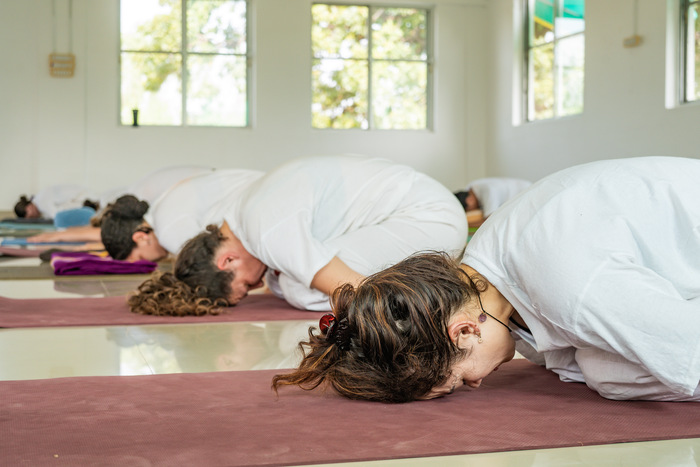
When I speak about the core in my class, I don’t just mean the outer abdominal muscles. The real core is a deeper, integrated system that works continuously, often without you realizing it. The aim here is to stabilize and support your entire body.
At the center of this system, the transverse abdominis, a deep corset-like muscle, wraps around your torso and helps you maintain internal stability. The multifidus, a group of small muscles along the spine, provides segmental support and helps you control your movements so they stay stable rather than excessive.
The pelvic alignment forms the base of this core system, offering support from below, while the diaphragm sits above and directly connects your breath to your core function.
These muscles do not work separately. They function together to:
- Stabilize the spine during movement and stillness.
- Coordinate with the breath to allow smooth, controlled transitions.
- Support posture, reducing unnecessary strain on joints and muscles
In traditional yoga, core strength develops through stability and breath, not isolated contraction.
This is why, in a well-practiced asana, the core is not something you aggressively try to tighten. It is something you subtly engage, so your body starts to feel supported, the breath remains steady, and the movement becomes both controlled and relaxed.
Also See: Hero Pose: How to Practice Virasana Safely + Variations for All Yoga Levels
The Asanas Your Core Actually Needs
The best yoga poses for core strength don’t just tighten your abs. They train your body to stabilize, breathe, and move with control.
If you want to build real core strength through yoga, you need asanas that go beyond surface engagement. These poses train the deeper stabilizing muscles and help you maintain spinal integrity, improve posture, and move with greater body awareness.
Navasana (Boat Pose)
How to do it
- Sit down and extend your legs in front of you.
- Lean back slightly while keeping your spine long.
- Gently raise your legs off the floor while balancing on your sitting bones.
- Extend your arms forward.
- Lift your chest and keep your breath steady.
What it does
Navasana is a highly effective core pose that challenges your body to stabilize under load. It builds deeper control, not just tension, helping maintain alignment during effort.
Phalakasana (Plank Pose)
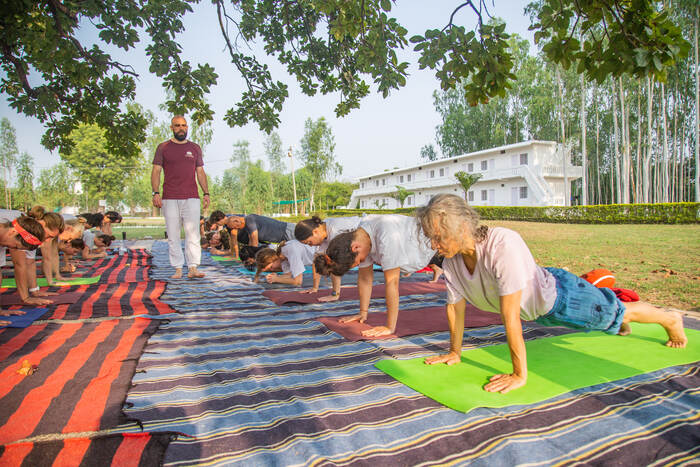
How to do it
- Step your feet back from hands and knees into a straight line from head to heels.
- Press the floor away from you.
Keep your shoulders balanced over your wrists, and gently draw the abdomen in without holding your breath.
What it does
A well-executed plank strengthens your core by training it to resist motion. This improves spinal stability and relieves excess pressure on your lower back, helping establish core stability for yoga.
Vasisthasana (Side Plank)
How to do it
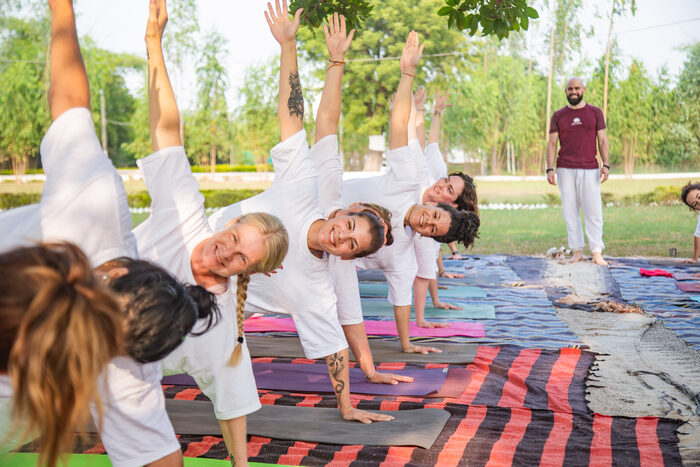
- From the plank, shift your weight onto one hand and gently rotate your body to the side.
- Stack or stagger your feet for balance. Lift your hips and extend your top arm upward.
What it does
Vasisthasana builds lateral core strength, which is very much essential for balance and real-life movements. It strengthens the muscles that prevent the body from collapsing to the side, something we often overlook when training our core.
Chaturanga Dandasana
How to do it
- From the plank, shift slightly forward and lower your body halfway down, keeping your elbows close to your ribs.
- Maintain a straight line from head to heels as you move.
What it does
Chaturanga helps you develop core strength through controlled movement. Instead of staying still, your core dynamically stabilizes your body as you lower, helping you build strength that carries over directly into your daily practice.
Utkatasana (Chair Pose)
How to do it
- Stand with your feet together or hip-width apart.
- Bend your knees and sit back as if into a chair.
- Raise your arms overhead, keeping your spine long and chest lifted.
What it does
Chair pose builds functional core strength by supporting the spine under load. It improves posture and teaches the body to remain stable during everyday movements, such as sitting and standing.
Adho Mukha Svanasana (Downward Dog)
How to do it
- Elevate your hips up and back into an inverted V-shape from hands and knees.
- Slightly press your palms into the floor, then extend your spine.
- Maintain a gentle engagement in the lower abdomen.
What it does
Downward Dog is often overlooked as a core-strengthening yoga pose, but let me tell you this: Asana can contribute to full-body integration. It helps the core support the spine while evenly distributing weight, an essential skill for a sustainable yoga practice.
Additional Yoga Exercises for Deeper Core Activation
Dead Bug (Yoga-Based Variation)
Lie on your back with arms and legs raised. Slowly lower the opposite arm and leg while keeping the lower back stable and the breath controlled. This asana can improve overall coordination in your body and train your core to stabilize as your limbs move.
Supine Leg Raises with Breath Awareness
Lie on your back and lift both legs. Slowly lower them while exhaling, keeping the lower back grounded. When practiced properly, this asana can strengthen the lower core and improve breath-based control.
Also See: Restorative Yoga for Fatigue & Burnout During the Busy Season
A Simple Core-Focused Yoga Sequence You May Practice at Home
Remember, building core strength is not just about which poses you choose; it also depends on how you sequence them. This short, core-focused sequence gradually activates and integrates your core without stressing your body.
Move with your breath rather than with speed.
Cat–Cow (Warm-up)
Start on your hands and knees. Breathe in as you lift your chest and tailbone (Cow). Breath out as you round your spine (Cat).
Duration: 6–8 slow rounds. This warms up the spine and activates the core.ath.
Phalakasana (Plank Pose)
Step back into the plank, keeping your body in one straight line. Press the floor away and keep your breath steady.
Duration: 20–30 seconds. Focus on stability, not duration.
Vasisthasana (Side Plank)
Shift into side plank. Hold on one side, then switch. Modify by lowering one knee if needed. Throughout the practice. Try to keep your hips lifted and your breath calm.
Duration: 15–20 seconds each side
Navasana (Boat Pose)
Come to a seated position and lift your legs into the boat pose. Keep your spine long and chest open.
Duration: Hold 15–20 seconds for 2 rounds. You may take rest in between if needed.
Utkatasana (Chair Pose)
Stand and move into chair pose. Bend your knees, lift your arms, and keep your torso upright. Feel your core stabilizing your posture.
Duration: 20–30 seconds
Adho Mukha Svanasana (Downward Dog)
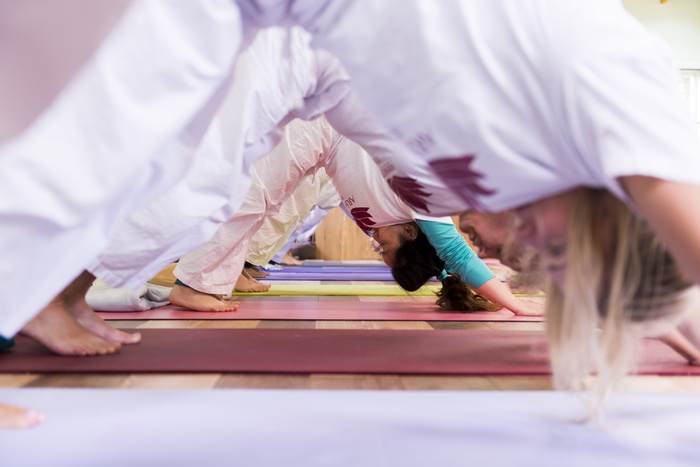
Lift your hips back into Downward Dog. Lengthen your spine and lightly engage your abdomen.
Duration: 5–8 breaths
Rest (Child’s Pose or Supine Relaxation)
Move into a resting position. Allow your breath to settle and notice the effect of your practice.
Duration: 1–2 minutes
This sequence may seem simple, but practicing it with attention trains your core to function as intended: steady, responsive, and integrated with the breath.
Also Try: Yin Yoga for Release: 7-Pose Sequence to Let Go & Start Anew
Who This Practice Is For
This kind of core exercise is not just designed for advanced practitioners or those looking to “strengthen” their abs. In fact, it is often most useful for those who feel something is missing in their practice, despite their efforts.
For beginners, this approach builds a strong foundation from the start. I recommend these exercises to those new to yoga. Instead of learning poses with compensation and fixing them later, you begin with awareness and stability. This shifts how every asana feels and delivers progress over time.
If you have back discomfort, these core exercises are especially useful. Many lower back issues stem not just from weakness but from a lack of support. When the deeper core muscles function properly, the spine feels stable, and movement becomes safer and more controlled.
If you are an aspiring yoga teacher, understanding the core in this way will change how you guide others. You will begin to see beyond the posture’s shape and start teaching stability, breath coordination, and control. And I believe this is what builds confidence in real teaching situations.
If you spend long hours sitting, this practice restores what daily life takes from you. Prolonged sitting weakens the body’s support system. These asanas gently reactivate the core, improving posture and easing heaviness or stiffness.
No matter where you are in your practice, this is not about doing more; it’s always about doing it with better awareness.
Learn: How to Do Yoga at Home Daily: A Guide for Beginners
Who Should Avoid or Modify These Core Exercises
This core-strengthening yoga supports the body rather than exhausting it. In some cases, it’s important to adjust intensity, step back, or practice with a teacher.
Existing Lower Back Pain or Injury
If you are currently dealing with active lower back pain, strong core loading can sometimes do more harm than good, especially if you are new to yoga or your alignment is not precise. Here, my advice is to start with gentle activation and focus on stability before attempting more demanding poses.
Pregnancy and Early Postpartum Phase
During pregnancy and the early recovery period after childbirth, avoid deep core engagement and intense holds, as these can put excess pressure on your abdominal area and pelvic floor, potentially leading to strain or injury.
Hernia or Recent Abdominal Surgery
If you have a hernia or have recently had abdominal surgery, avoid strong core exercises, as they may cause harm. These conditions need gradual rehabilitation, not forceful strengthening.
Pelvic Floor Sensitivity or Weakness
When the pelvic floor is not functioning optimally, excessive core engagement can increase intra-abdominal pressure, potentially leading to strain or discomfort rather than support. The focus should be on coordinated, gentle activation rather than high-intensity practices to avoid these issues.
Breath Restriction During Practice
If you find yourself holding your breath in these poses, stop. Core work without breath awareness creates tension and reduces effectiveness. The breath should guide engagement, not the other way around.
Lack of Clarity in Alignment
If you are unsure whether you are practicing these poses correctly, it’s better to work with a teacher’s guidance. Practicing with poor alignment shifts the load away from your core and into your joints, increasing the risk of strain or even severe injury over time.
Safety Tips for Practicing Core-Focused Asanas
Core work in yoga is not about pushing harder or applying more effort; it’s about practicing with precision. Try making a few small adjustments. These adjustments can make the real difference between building support and creating strain.
Stay connected to your breath
If your breath becomes shallow, ease out of the practice. The core works best with smooth, steady breathing, which keeps the body responsive rather than stressed.
Prioritize alignment over duration
Holding a pose longer does not always mean you’re doing it better. It’s more useful to hold for a shorter time. Also, pay attention to proper alignment rather than staying longer and losing stability.
Engage, don’t grip
There’s a difference between supportive engagement and unnecessary tension. The abdomen should feel active, but not rigid. If everything feels tight or forced, you’re likely overworking the surface muscles, which might lead to more strains later.
Protect your lower back
Any time you feel compression or pinching in the lower back, consider coming out of the pose and resetting. The core should support the spine, not stress it. Remember, simple posture adjustments often make a significant difference.
Move with control, not momentum
Especially in transitions like Chaturanga, you must avoid dropping or rushing. Controlled movement ensures the core does the work rather than relying on gravity or joint pressure.
Respect your current capacity
Core strength develops gradually. Don’t push too soon; that leads to compensation. Build steadily, then increase intensity.
Learn: How to Do Yoga Twists: The Benefits and Safety Principles
Final Thoughts
Core strength in yoga is not something you chase, it’s something you achieve through correct alignment and consistent practice.
Remember, it never comes from doing more poses or holding poses longer, but from understanding how your body stabilizes, breathes, and moves as one unit. When the core begins to function this way, your practice changes quietly. Your postures start to feel lighter, transitions become smoother for you, and the need to “force” anything starts to disappear.
Over time, this kind of strength carries beyond the mat. It reflects in how you sit, stand, and move through your day, with more ease and less effort.
Want to learn authentic Hatha Yoga from experienced Indian teachers? Join our 200-Hour Yoga Teacher Training in India.