Many beginners ask us the same question: Is Hatha Yoga hard or risky? The simple answer is no. Hatha Yoga is not naturally difficult or dangerous. Most problems happen when people use poor alignment, push themselves too far, or don’t have proper guidance. If you use the right technique and stay aware of your body, Hatha Yoga is safe, even for beginners.
Hatha Yoga Dangers: What Beginners Need to Know
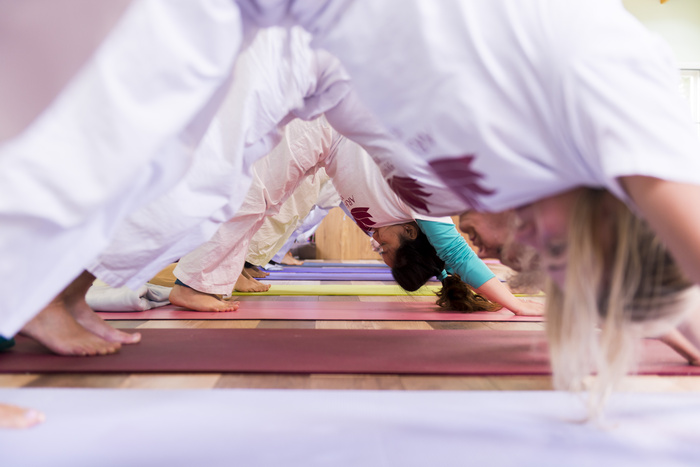
Hatha Yoga is usually safe and not considered risky if you practice with awareness. Most of the dangers people talk about come from the following:
Overstretching Beyond Your Current Capacity
While training students, we often see beginners forcing themselves deeper into forward folds or hip openers, thinking it will improve flexibility faster. This overstretching often causes injuries. Remember, Hatha yoga never asks you to push beyond your capacity. Overstretching does not help; it often leads to muscle strain, especially in the hamstrings and lower back.
Poor Alignment in Simple Postures
We see most people assume basic Hatha yoga poses are harmless. But let us clarify that misalignment is one of the biggest Hatha yoga dangers. If alignment is incorrect, even a basic pose can cause soreness and discomfort. For example, Incorrect knee tracking in standing poses or a rounded spine in seated postures is one of the most common reasons why people feel pain in joints. Such incorrect knee tracking gradually stresses your joints and ligaments; as a result, you feel sharp joint pain after practice.
Holding Poses Without Awareness
Hatha Yoga often requires you to hold poses, but if you do not engage your muscles properly, you can put pressure on the wrong areas. We often see students letting their joints take the weight instead of using their muscles, which leads to discomfort. Most people do not realize this discomfort is usually caused by not engaging the right muscles while holding poses.
Ignoring Early Pain Signals
While leading beginner classes, I often see students pushing through pain because they heard pain is a sign of progress. In reality, pain clearly shows something is wrong with alignment. And unfortunately, people often overlook this warning sign, causing minor issues to become long-term problems.
Practicing Without Guidance
Following random yoga videos without proper guidance is another overlooked risk. Without feedback, small mistakes go unnoticed and become habits, increasing strain or imbalance. This is why we advise students to choose their online yoga teacher carefully. Do not follow random videos from social media. If you prefer online learning, make sure you learn from a good yoga teacher training school with qualified teachers.
Related: Top 12 Yoga Teacher Trainings in India 2026
Is Hatha Yoga Hard for Beginners?
Hatha Yoga usually moves at a slower pace, but that doesn’t automatically make it easy.
What Actually Makes It Feel Difficult
When we teach beginners, we often see that challenges can appear in ways people do not expect:
- Limited body awareness such as not knowing where to place weight or how to align
- Struggling to stay still without tension or distraction
- Trying to push your limit too much without realizing it
- Staying in a pose without fidgeting, forcing, or losing focus can be harder than many people expect.
So, Is It Hard or Not?
Hatha Yoga is not hard in terms of intensity, but it can feel challenging for beginners. The difficulty primarily comes from holding poses without control, poor alignment, and lack of mental focus. However, with patience and consistent practice, it becomes a steady, manageable, and deeply rewarding experience.
Want to learn more about authentic Hatha Yoga? read our complete blog: What Is Hatha Yoga? Meaning, History & Practice Explained
Common Risks in Hatha Yoga Practice
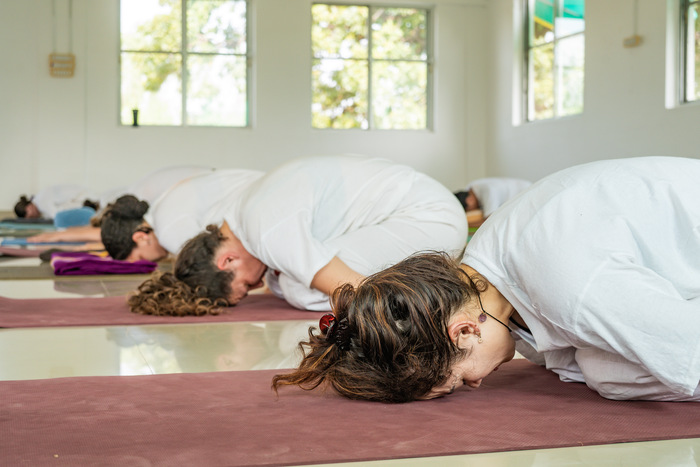
Hatha yoga dangers are usually preventable, but beginners often run into issues when technique and awareness are missing.
Physical Risks of Hatha Yoga
Joint and Muscle Strain from Overstretching
While training students, we often see people tend to stretch too deeply, especially around the hamstrings, shoulders, and lower back. This can lead to small tears or lingering tightness that worsens over time. This is also the reason why some people report experiencing sharp joint and muscle pain after their hatha yoga practice.
Knee Stress in Deep Hip Openers
Postures that involve external rotation for example, half or full lotus can place unnecessary pressure on the knees if you don’t keep your hips open enough. Remember, your knee is not designed for rotation, and forcing it to rotate can create additional strain.
Spinal Compression and Poor Bending Patterns
While practicing a forward bend, if you round your back and drop your chest, you push too much pressure into your lower spine. Similarly, if you push into backbends without engaging your core and legs, you compress the lower back too much, leading to discomfort over time. This is one of the most significant yet overlooked risks in hatha yoga practice.
Neck Load in Inversions
Inversions like Headstand or Shoulder Stand require proper preparation and expert’s guidance. Without strength and alignment, excessive weight shifts into the neck, which is a vulnerable area for beginners. This is why we advise beginners not to perform headstand on their own. We also introduce this pose to students only once we see they have gained the basic strength and alignment knowledge.
Psychological and Neurological Considerations
Overexertion and Mental Fatigue
Trying to perform every posture perfectly can create an internal pressure. We often notice beginners becoming tense or frustrated when they cannot reach a certain depth. And as a result, it affects both their breath and focus.
Breath Holding and Nervous System Stress
When concentration drops, breath awareness is often the first thing you may lose. Holding the breath unconsciously can create tension and leave the body feeling strained. It also can activate your sympathetic nervous system and make things anxious instead of relaxing.
Dizziness or Disorientation
Quick transitions, especially involving forward bends or inversions, may cause light-headedness. Many students report feeling dizzy during fast transitions. This usually results from poor breath patterns or moving too quickly without control. To avoid such a situation, it’s best to follow a slow transition, especially for beginners.
Also See: Yoga Cues: Teacher Dos & Don’ts for a Safe & Functional Class
Safety Tips to Avoid Hatha Yoga Dangers
You can avoid most Hatha yoga dangers by following a few simple principles. In our 200-hour Hatha Yoga asana sessions, we often notice that students improve faster when they focus on doing the basics correctly instead of trying to do more.
Learn Proper Alignment First
Alignment is what keeps a posture safe and effective. Instead of focusing on how a pose looks or how many poses you performed, try to focus more on how a pose is built, such as where your weight is placed, how your spine is positioned, and which muscles are active. Your knowledge of proper alignment is what keeps you safe during your hatha yoga practice.
Start Slow and Progress Gradually
Although it may seem impressive to quickly move on to more difficult positions, this often results in unnecessary strain. Remember that your aim is to learn, not to make an impression, so allow your body sufficient time to get used to the exercises. Strength and flexibility can be gained without causing injury if students take it slow and keep repeatedly doing the basic postures. Therefore, rather than rushing straight into advanced poses, you should first learn the fundamentals.
Use Props and Modifications
Don’t look at props as a shortcut; they are great support tools. Blocks, straps, or cushions help you maintain alignment when your body is not ready for the full posture. Use props whenever you need them. This will reduce pressure on your joint area and muscles and help you practice safely and more effectively.
Focus on Breath Awareness
Your breath reflects how your body is handling a posture. If your breathing becomes shallow or strained, it’s usually a sign for you to ease out. So, focus on steady breathing throughout the practice. It will help you release tension and maintain control over your postures.
Practice Under Guidance (If Possible)
During our training sessions, we often notice that small adjustments, like changing foot placement or lifting the chest, can make a big difference. Having guidance helps you spot mistakes early, before they become habits. For example, I once saw a student forcing a forward bend by rounding their back and locking their knees. When I suggested they bend their knees a little, hinge from the hips, and lift their chest, the strain in their lower back went away, and the student said the pose felt much more stable and relaxing. This shows how helpful early guidance can be.
To go deeper into this, read: Anatomy of Forward Bends: Your Guide to Safe Yoga Folds
Who Should Be More Careful While Practicing Hatha Yoga?
Some people should be extra mindful when starting Hatha yoga, especially in the beginning. If any of the following apply to you, take extra care during your practice.
Absolute beginners
If you are new to Hatha yoga, your body is still getting used to the movements. At this stage, it helps to pay close attention to how you move. If you are not careful, you might push too hard or miss important alignment tips. This can leave you feeling very tired after practice and sore in your neck or hamstrings.
People with existing pain or injuries
- Back pain: Some bends and twists may hurt if you already have back pain. Moving with poor form, like rounding your lower back or forcing your range of motion, can make the pain worse and bother sensitive spots over time.
- Knee injuries: Deep hip-opening and seated poses can put extra load on your knees and cause discomfort.
- Limited mobility: Tight muscles can make you feel stiff and reduce how much you can move.
Older adults
As you get older, your joints and flexibility change. Poses that were easy in your 20s may feel different in your 40s. Moving more slowly, using support, and focusing on good alignment can help you stay safe as you practice.
Those returning after a long break
If you are coming back to Hatha yoga after a long break, take it slow and be mindful. Your body might not be as strong or flexible as before. Avoid jumping back in at your old level, as this can lead to strain. Instead, start with the basics and build your strength step by step.
Is Hatha Yoga Safe Overall?
Yes, Hatha yoga is safe when you approach it with proper technique, steady awareness, and patience. The practice is structured to allow you to move slowly, understand each posture, and build control over time.
That’s why it’s often considered one of the most beginner-friendly yoga styles. But remember, what makes it safe is not just the style itself, but how you practice it. When you respect your limits, avoid forcing positions, and progress gradually, Hatha yoga becomes a stable and sustainable practice.
Frequently Asked Questions
1. What are the most common Hatha yoga dangers for beginners?
Beginners most often face challenges like muscle strain, knee stress, and lower back pain. These usually happen when you push too deep into stretches, place weight incorrectly in joints, or hold postures without proper support and control.
2. Is Hatha yoga difficult for beginners to follow?
The pace is slow, but holding postures with control and staying focused can feel challenging at first. With regular practice, the body adapts, and it starts to feel easy.
3. Can you get injured practicing Hatha yoga?
Yes, but injuries usually happen when people push beyond their limits or ignore proper alignment. Practicing with control, correct alignment cues, and patience reduces this risk and makes the practice more rewarding.
4. How do you reduce Hatha yoga dangers during practice?
Pay attention to alignment cues, avoid rushing into deeper poses, and use support like blocks or straps when needed. Also, stay aware of your breath to prevent tension.
5. Is Hatha yoga suitable if you already have back pain?
If you have a neck injury or ongoing neck pain, it is best to consult your doctor or qualified healthcare professional before practicing Hatha Yoga. Once you have medical clearance, work with a qualified yoga teacher who can help you modify poses and avoid movements that may place unnecessary strain on your neck.
6. How often should a beginner practice safely?
It’s best to start with a few sessions each week. This gives your body time to adjust without too much strain.
7. Why is Hatha yoga still considered beginner-friendly despite potential risks?
Because Hatha yoga is slower, you can learn each posture step by step. Practicing with awareness helps you build strength and flexibility without putting too much stress on your body.
Final Thoughts
If your main concern is safety, the most effective step is to learn Hatha yoga the right way from the start. Clear alignment, controlled movement, and proper guidance from experienced teachers can remove most risks people worry about.
Remember, Hatha yoga works best when you understand what your body needs, not when you push your limits to stretch deeply. With the right approach, it becomes a steady, reliable practice that supports both strength and stability over time.
If you want to go deeper and learn traditional Hatha yoga in a safe, structured environment, guided practice makes a real difference. Our 200-hour Hatha Yoga Teacher Training focuses on technique, practical corrections, and real understanding, so you know exactly how to practice safely and confidently.